
Modern Lighting and Elegant Bathroom Solutions
LED mirrors have become an increasingly popular feature in contemporary bathrooms, combining practical illumination with sophisticated design. By integrating energy-efficient lighting directly into the mirror, these innovative accessories provide clear visibility for everyday grooming while enhancing the overall atmosphere of the space. From minimalist bathrooms to luxurious master suites, LED mirrors offer a stylish way to improve functionality without compromising aesthetics.
Unlike traditional mirrors that rely entirely on external light fixtures, LED mirrors distribute illumination around or behind the reflective surface. This integrated approach can create a clean, modern appearance while reducing the need for additional decorative lighting. With various shapes, sizes, lighting temperatures, and smart features available, homeowners can find an LED mirror that complements their bathroom layout and personal preferences.
Choosing the right LED mirror involves considering more than its appearance. Brightness, color temperature, installation requirements, energy efficiency, and maintenance all influence how well the mirror performs. Understanding these factors helps create a bathroom environment that is both visually appealing and comfortable for daily use.
What Are LED Mirrors?
LED mirrors are mirrors equipped with light-emitting diodes that provide integrated illumination. Depending on the design, the lighting may appear around the mirror's edges, shine through a frosted section of the glass, or create a soft glow behind the reflective surface.
These mirrors are available in many configurations, including rectangular, square, circular, oval, and irregular geometric shapes. Some feature simple illuminated borders, while others include touch controls, dimming functions, anti-fog technology, or adjustable color temperatures.
The primary purpose of an LED mirror is to improve visibility while creating a coordinated appearance. In a bathroom, the integrated lighting can help illuminate the face during shaving, skincare, makeup application, and other grooming activities.
However, not all LED mirrors provide the same level of task lighting. Some models are designed mainly for decorative ambient illumination, so it is important to check their brightness and lighting distribution before purchasing.
Benefits of Installing LED Mirrors in Bathrooms
LED mirrors offer several advantages that make them suitable for modern bathroom interiors.
Improved Visibility for Daily Grooming
One of the most important benefits of an illuminated bathroom mirror is the additional light it provides around the face. Suitable lighting makes everyday tasks such as shaving, applying makeup, brushing teeth, and following a skincare routine more convenient.
Models that provide even illumination can help reduce harsh shadows, particularly when the lighting is positioned around the mirror rather than coming from a single overhead source.
For the best results, consider the mirror's brightness, the position of the LEDs, and the existing bathroom lighting. A well-lit mirror should complement general and task lighting rather than serve as the only light source in the room.
A Modern and Elegant Appearance
LED mirrors introduce a refined, contemporary aesthetic that works well with clean architectural lines and minimalist bathroom furniture. Their integrated lighting reduces the visual clutter associated with separate mirror lights and creates a more coordinated appearance.
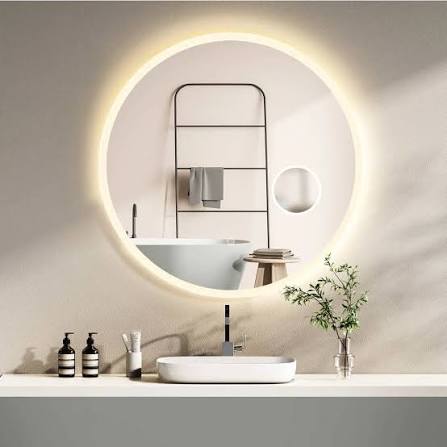
A backlit mirror can produce a soft halo effect against the wall, adding depth and visual interest. Front-lit designs, meanwhile, direct more light toward the user and can be particularly useful for grooming.
These options allow homeowners to choose between a subtle decorative effect and a more functional lighting arrangement.
Energy Efficiency
LED technology generally uses less electricity than many traditional lighting technologies while providing useful illumination. LED lights can also have a long rated operating life, which may reduce the frequency of lamp replacement.
Actual energy consumption depends on the mirror's size, LED output, operating hours, and control settings. Choosing a model with appropriate brightness and a reliable power system helps support efficient everyday use.
Dimming features can also reduce unnecessary light output when full brightness is not required.
Better Use of Bathroom Space
Because the lighting is integrated into the mirror, LED mirrors can help save wall space that might otherwise be occupied by separate light fixtures.
This can be especially useful in compact bathrooms, powder rooms, and apartments where efficient use of available space is important. A well-proportioned LED mirror can also make a small room feel brighter and more visually open.
Popular Types of LED Mirrors
Different LED mirror designs serve different purposes. Selecting the right type depends on the bathroom's size, lighting requirements, and decorative style.
Backlit LED Mirrors
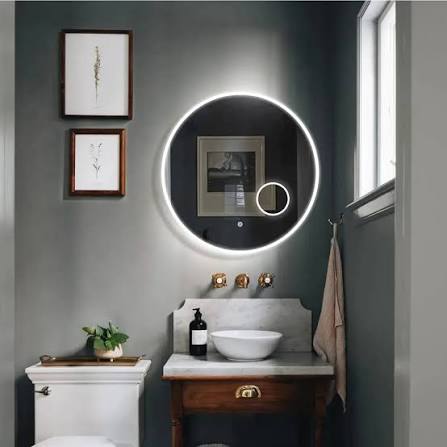
Backlit LED mirrors direct light toward the wall behind the glass, creating a soft glow around the edges. This effect adds depth and produces a calm, spa-inspired atmosphere.
Backlit designs work particularly well with textured wall tiles, stone finishes, and floating bathroom vanities. They are an excellent choice for homeowners who prioritize ambient lighting and understated elegance.
However, backlighting alone may not provide enough direct illumination for detailed grooming. Additional front-facing or side lighting may be necessary.
Front-Lit LED Mirrors
Front-lit LED mirrors direct light outward from the mirror's surface, often through a frosted border or illuminated section. This arrangement can provide more useful illumination for everyday bathroom tasks.
Front-lit designs are particularly suitable for bathrooms where the mirror is used frequently for shaving, makeup application, and skincare.
When comparing products, look for information about brightness, light distribution, and color rendering. These characteristics influence how effectively the mirror illuminates the face and how accurately colors appear.
Round LED Mirrors
Round LED mirrors introduce softer shapes into bathrooms dominated by rectangular tiles, cabinets, and countertops. Their curved outline can create a balanced contrast with straight architectural lines.
A circular illuminated mirror pairs especially well with floating vanities, wall-mounted faucets, and minimalist bathroom accessories. Larger round mirrors can create a striking focal point, while smaller versions work well in compact powder rooms.
Rectangular LED Mirrors
Rectangular LED mirrors are versatile options for contemporary bathrooms. Their shape complements straight-edged vanities and provides a broad reflective surface.
Horizontal mirrors are often suitable for double-sink vanities, while vertical designs can work well above narrow cabinets or in smaller bathrooms.
The mirror should be proportionate to the vanity and basin arrangement. A carefully selected size creates visual balance while ensuring enough reflective space for comfortable use.
Smart LED Mirrors
Smart LED mirrors may include touch-sensitive controls, adjustable brightness, multiple color temperatures, digital clocks, or Bluetooth connectivity. Some models also feature integrated defogging systems.
These features can improve convenience, particularly in busy family bathrooms. However, additional functions may increase the purchase price and installation complexity.
Before choosing a smart mirror, identify which features will genuinely improve everyday use. Reliable lighting, suitable dimensions, and safe installation should remain the main priorities.
Choosing the Right LED Mirror Size
Selecting the correct mirror size helps create a balanced and functional vanity area. Begin by measuring the width of the vanity and the available wall space.
A mirror that is approximately as wide as the vanity, or slightly narrower, often creates a harmonious appearance. However, the ideal proportions depend on the shape of the mirror, the position of wall fixtures, and whether the vanity includes one or two basins.
For double-sink vanities, homeowners can choose one large horizontal LED mirror or two separate illuminated mirrors. A single mirror can create a seamless appearance, while two mirrors provide a more structured design.
Height is also important. The mirror should provide a comfortable viewing area for the household members who will use it most frequently. Consider the position of faucets, wall-mounted lights, cabinets, and any nearby shelving before finalizing the installation.
In smaller bathrooms, a larger mirror can help reflect light and create a sense of openness, provided it does not overwhelm the available wall space.
Understanding LED Mirror Lighting
The quality of the integrated lighting affects both appearance and functionality. Three factors deserve particular attention: brightness, color temperature, and color rendering.
Brightness determines how much light the mirror produces. Lumens are a useful specification when comparing different models, although the actual usefulness of the illumination also depends on the mirror's design and light distribution.
Color temperature describes whether the light appears warm, neutral, or cool. Warm light creates a relaxing atmosphere, while neutral or cooler light may be preferable for certain grooming tasks. Adjustable color temperature offers flexibility for different activities.
Color rendering describes how accurately a light source reveals colors compared with a reference source. A higher color rendering index can be helpful for makeup application and skincare routines because it supports more natural-looking color perception.
For a well-balanced bathroom, combine mirror lighting with general ceiling illumination and suitable task lighting where necessary.
LED Mirrors and Bathroom Interior Design
LED mirrors can complement a wide range of bathroom styles. In minimalist interiors, frameless rectangular mirrors and discreet backlighting reinforce the clean appearance of the space.
For luxurious bathrooms, large illuminated mirrors pair beautifully with marble-effect tiles, floating vanities, and elegant metallic fixtures. Warm lighting can enhance beige stone, wood finishes, and brushed brass accessories.
In Scandinavian-inspired bathrooms, round LED mirrors complement natural wood, white surfaces, and understated decorative elements. Industrial-style interiors can benefit from simple geometric mirrors paired with dark fixtures and textured finishes.
Consistency is important when coordinating the mirror with other bathroom units and accessories. Consider how the mirror's shape, lighting color, and frame finish relate to the vanity, faucet, cabinet hardware, and wall materials.
Anti-Fog Technology and Additional Features
Anti-fog LED mirrors are designed to reduce condensation on the reflective surface after hot showers. These models generally use a controlled heating element behind part of the mirror to help maintain visibility.
This feature can be particularly useful in bathrooms that experience frequent humidity. However, an anti-fog system does not replace proper ventilation, which remains essential for controlling moisture throughout the room.
Other useful features may include dimmable lighting, touch controls, memory settings, and automatic shutoff functions. The availability of these options varies by model.
Check whether the mirror's controls are easy to operate, whether replacement components are available, and whether the product comes with a suitable warranty.
Installation and Maintenance Tips
Correct installation is essential for both the safety and performance of LED mirrors. Because bathrooms contain moisture and water sources, electrical connections must comply with local regulations and the manufacturer's instructions.
Choose a mirror with an appropriate rating for its intended bathroom location. Hardwired models should be installed by a qualified electrician, and the required electrical protection must be provided.
Before mounting the mirror, confirm that the wall can support its weight and that the electrical connection is positioned correctly. The mirror should be installed at a comfortable height, with sufficient clearance from faucets and other fixtures.
For routine maintenance, clean the glass using a soft microfiber cloth and a suitable glass cleaner. Avoid spraying liquid directly onto electrical controls, exposed edges, or connection points. Abrasive materials and harsh chemicals may damage the mirror's surface or protective coatings.
Regularly check the lighting controls and follow the manufacturer's instructions for maintaining anti-fog features.
Conclusion
LED mirrors combine practical illumination, contemporary design, and convenient features to enhance modern bathrooms. From elegant backlit circles to functional front-lit rectangles and advanced smart mirrors, these products offer options for different spaces, budgets, and personal preferences.
By considering mirror size, lighting quality, energy efficiency, additional features, and installation requirements, homeowners can choose a solution that complements their bathroom while improving daily grooming routines.
Whether paired with a minimalist floating vanity or a luxurious double-sink cabinet, an LED mirror can become a functional focal point that adds brightness, sophistication, and lasting visual appeal to the bathroom.