
Stylish and Space-Saving Solutions for Modern Bathrooms
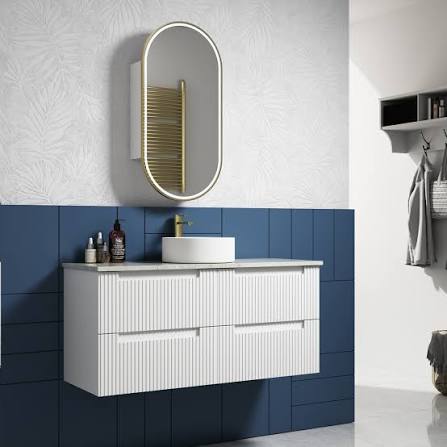
Wall-mounted vanities, also known as floating bathroom vanities, are bathroom cabinets installed directly onto a wall rather than resting on the floor. They typically include a storage cabinet, countertop, and integrated or separate washbasin. Some models also feature drawers, shelves, mirrored cabinets, or built-in lighting.
The defining characteristic of a floating vanity is the visible space beneath the cabinet. This open area creates a sense of openness and makes the bathroom appear less crowded. It also allows the floor to remain visible, which can help smaller bathrooms feel more spacious.
Wall-mounted vanities are available in various widths, depths, and configurations. Compact single-basin units work well in small bathrooms, while wider models with double basins can provide additional convenience in shared family spaces.
Because these vanities are available in many materials and finishes, they can complement minimalist, Scandinavian, industrial, classic, and luxury bathroom designs.
Benefits of Installing a Wall-Mounted Bathroom Vanity
Choosing a wall-mounted vanity offers several advantages that extend beyond its contemporary appearance.
Maximizing Bathroom Space
One of the main benefits of a floating bathroom vanity is its ability to make a room feel more open. By exposing part of the floor beneath the cabinet, the design reduces visual bulk and creates a cleaner appearance.
This feature is especially valuable in small apartments, guest bathrooms, and narrow spaces where every design decision matters. A compact wall-mounted vanity can provide essential storage without making the room feel overcrowded.
Selecting a vanity with an appropriate depth is equally important. A shallow unit may provide sufficient space for daily essentials while preserving comfortable movement around the sink.
Creating a Modern and Elegant Appearance
Wall-mounted vanities are associated with contemporary design because they emphasize simple shapes, clean lines, and uncluttered surfaces. Flat-front drawers, concealed handles, and integrated basins contribute to a refined appearance.
Their floating design also allows other bathroom features, such as decorative floor tiles, wall finishes, and accent lighting, to remain visible. This makes it easier to create a coordinated interior in which each element contributes to the overall aesthetic.
Simplifying Floor Cleaning
The open area beneath a wall-mounted vanity makes it easier to access the floor during routine cleaning. Without a cabinet base resting on the tiles, there are fewer obstructed areas where dust and debris can accumulate.
This advantage can be particularly useful in busy family bathrooms. However, proper installation and suitable moisture-resistant materials remain essential for maintaining a hygienic and durable space.
Offering Flexible Installation Heights
Wall-mounted vanities can often be installed at a height that suits the needs of the household, provided the wall structure, plumbing, basin, and manufacturer's specifications allow it.
A comfortable installation height can improve everyday use, while thoughtful positioning helps ensure that the mirror, faucet, and countertop work together effectively.
Popular Types of Wall-Mounted Vanities
Different vanity styles offer different benefits, making it important to select a design that matches the available space and storage requirements.
Single-Sink Wall-Mounted Vanities
Single-sink vanities are ideal for small and medium-sized bathrooms. Their compact footprint leaves room for other essential features, such as a shower enclosure, bathtub, or storage cabinet.
These units are available in simple rectangular forms, curved designs, and models with integrated countertops. A single-sink vanity can also provide generous drawer storage when its internal layout is carefully planned.
Double-Sink Floating Vanities
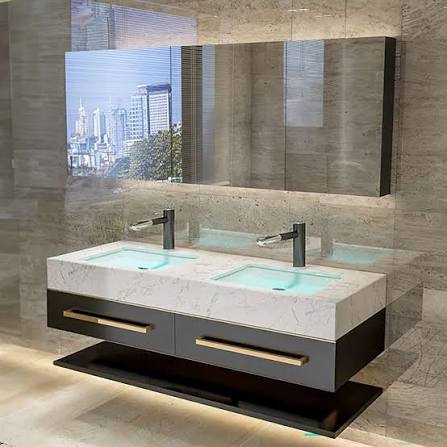
Double-sink wall-mounted vanities are particularly suitable for larger family bathrooms and master suites. Two basins allow more than one person to use the bathroom simultaneously, helping reduce congestion during busy mornings.
These units often feature wider countertops, multiple drawers, and separate storage sections. Their larger size can also create a luxurious visual statement, especially when paired with large mirrors and coordinated wall lighting.
Before choosing a double-sink vanity, ensure that the bathroom has enough width for comfortable movement and that the plumbing can accommodate the arrangement.
Minimalist Floating Vanities
Minimalist vanities focus on simplicity, understated finishes, and clean geometric forms. They often feature handleless drawers, integrated basins, and concealed storage compartments.
White, beige, gray, and natural wood finishes are popular choices because they complement a wide variety of bathroom materials. Minimalist designs are particularly effective in contemporary interiors where simplicity and visual balance are priorities.
Floating Vanities with Open Shelving
Some wall-mounted vanities combine closed drawers with open shelves. This arrangement provides a convenient place for towels, baskets, and frequently used accessories while keeping less attractive items concealed.
Open shelving can introduce texture and warmth, especially when finished in natural wood. To maintain an organized appearance, use matching baskets or neatly folded towels rather than overcrowding the shelves.
Choosing the Right Materials and Finishes
Material selection plays a major role in the appearance, durability, and maintenance requirements of wall-mounted vanities. Because bathrooms are exposed to moisture and temperature changes, the chosen materials must be appropriate for the environment.
Moisture-resistant engineered wood is commonly used for vanity cabinets because it offers design flexibility and can support a range of finishes. The quality of the board, edge sealing, and protective coating is important, particularly around sinks and plumbing connections.
Solid wood provides natural texture and warmth. Oak and walnut-inspired finishes are especially popular in bathrooms that combine contemporary fixtures with organic materials. However, solid wood requires suitable protection against moisture and should be maintained according to the manufacturer's instructions.
Quartz countertops offer a contemporary appearance and are available in many colors and patterns. Their relatively low-maintenance surfaces make them attractive for everyday bathroom use.
Natural stone countertops can introduce distinctive veining and luxurious texture. Since different stones have different porosity and care requirements, homeowners should confirm the appropriate sealing and cleaning procedures before installation.
Ceramic basins remain a popular choice because they are easy to clean and available in a wide range of shapes and sizes. Integrated basin designs can create a seamless appearance, while vessel basins offer a more decorative look.
For a cohesive result, coordinate the cabinet finish with the countertop, wall tiles, flooring, faucet, and other bathroom accessories.
How to Choose the Right Size and Height
Selecting the correct vanity dimensions is essential for comfort and efficient use of space. Begin by measuring the available wall width, bathroom depth, and distance between the vanity and nearby fixtures.
In compact bathrooms, a narrow floating vanity can provide storage without obstructing the entrance or shower area. Larger bathrooms can accommodate wider cabinets, double basins, and additional countertop space.
Depth is particularly important because a vanity that projects too far into the room may restrict movement. Ensure that drawers can open fully and that doors, shower screens, and other fixtures remain accessible.
The installation height should be based on the basin design, countertop thickness, household needs, and relevant plumbing requirements. A comfortable height for one household may not be suitable for another, so it is worth reviewing the complete installation dimensions before purchasing.
Because wall-mounted vanities place their weight on the supporting wall, the mounting system must be appropriate for the cabinet's weight and expected load. Proper wall reinforcement and professional installation are especially important for heavy stone countertops and large double-sink units.
Lighting and Mirrors for Floating Vanities
Lighting and mirrors can significantly enhance the appearance and usability of a wall-mounted vanity. A well-positioned mirror provides practical support for grooming while helping reflect light around the bathroom.
Large mirrors can make a small bathroom appear more spacious, especially when paired with a floating cabinet and light-colored surfaces. Mirrored cabinets are another useful option because they combine reflection with concealed storage.
Wall sconces placed beside the mirror can provide balanced facial lighting, while fixtures above the mirror offer additional illumination. Under-vanity LED lighting can emphasize the floating effect and create a subtle contemporary atmosphere.
When installing bathroom lighting, choose fixtures rated for the relevant damp or wet location and follow local electrical safety requirements. Decorative lighting should complement, rather than replace, sufficient general and task illumination.
Storage Solutions for Wall-Mounted Vanities
Although floating vanities create a lighter visual effect, they still need to provide enough storage for everyday bathroom essentials.
Deep drawers are useful for toiletries, hair-care products, and personal accessories. Drawer dividers can keep smaller items organized, while pull-out organizers help make better use of the available space.
For compact bathrooms, consider combining the vanity with a mirrored storage cabinet or recessed wall shelving. This creates additional storage without requiring a large floor-standing unit.
Open shelves beneath the vanity can hold towels and decorative baskets, but frequently used items should remain easy to reach. Avoid storing moisture-sensitive products in areas exposed to water splashes or excessive humidity.
A well-planned storage arrangement keeps the countertop clear and supports the uncluttered appearance that makes floating vanities so appealing.
Maintenance Tips for Long-Lasting Performance
Proper maintenance helps preserve the appearance and functionality of wall-mounted vanities.
Clean cabinet surfaces with a soft cloth and a suitable mild cleaner. Avoid excessive water around cabinet edges, joints, and drawer fronts, particularly when the vanity is made from engineered wood.
Wipe spills promptly and check the seals around the basin and countertop periodically. Damaged sealant can allow moisture to enter areas that are difficult to dry.
Use cleaning products suitable for the countertop material, and avoid abrasive tools that may scratch delicate finishes. Regularly inspect the mounting hardware and address any signs of movement or instability promptly.
Good bathroom ventilation also helps reduce moisture buildup, protecting the cabinet and surrounding finishes over time.
Conclusion
Wall-mounted vanities combine contemporary style, practical storage, and space-saving design to create bathrooms that feel organized and inviting. Their floating construction, versatile finishes, and flexible configurations make them suitable for everything from compact guest bathrooms to spacious master suites.
By selecting the right size, materials, storage features, lighting, and installation method, homeowners can create a vanity area that meets their daily needs while enhancing the bathroom's overall appearance. With thoughtful planning and proper maintenance, a wall-mounted vanity can provide lasting functionality and timeless visual appeal.