
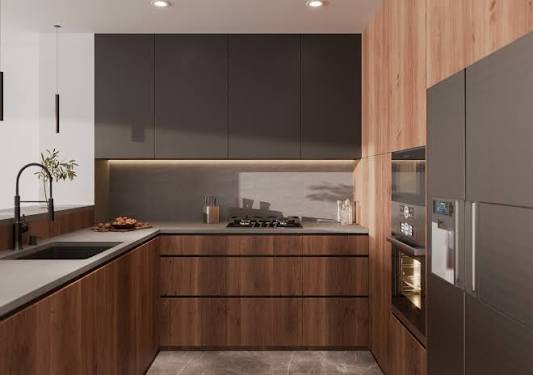
Sleek and Elegant Solutions for Contemporary Kitchens
Handleless cabinets have become a defining feature of contemporary kitchen interiors, offering a clean appearance that combines simplicity, functionality, and modern elegance. By eliminating traditional knobs and handles, these cabinets create smooth surfaces and uninterrupted lines that make kitchens feel more organized and visually spacious. Whether designing a compact apartment kitchen or a large open-plan cooking area, handleless cabinetry provides a versatile solution for homeowners who appreciate minimalist aesthetics and practical storage.
Beyond their attractive appearance, handleless cabinets can improve the overall visual flow of a kitchen by reducing decorative clutter. Their streamlined design works beautifully with modern countertops, integrated appliances, subtle lighting, and carefully selected materials. With the right combination of finishes, colors, and opening mechanisms, handleless cabinets can transform an ordinary kitchen into a sophisticated and functional space.
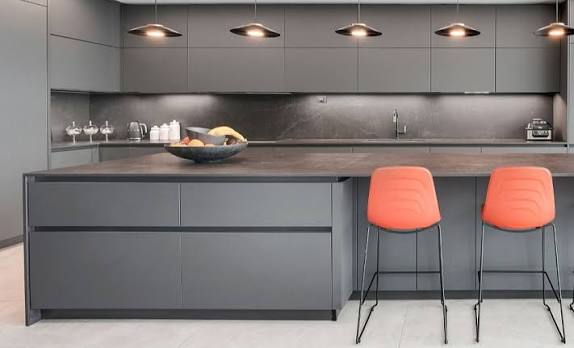
What Are Handleless Cabinets?
Handleless cabinets are kitchen storage units designed without conventional external handles or knobs. Instead, they use alternative opening systems that allow cabinet doors and drawers to be opened while maintaining a smooth, uncluttered appearance.
Several mechanisms are available, including integrated finger grooves, recessed channels, push-to-open systems, and concealed edge profiles. Each option offers a different balance of appearance, convenience, and maintenance.
Some handleless cabinets feature a small groove built into the cabinet door or frame. Others use a mechanical system that releases the door when pressure is applied. Certain designs incorporate a recessed rail behind the cabinet fronts, creating a discreet space for fingers while preserving the overall streamlined look.
The best choice depends on the kitchen layout, cabinet material, budget, and personal preferences. Understanding these options makes it easier to select cabinetry that looks elegant while remaining comfortable for everyday use.
Popular Types of Handleless Kitchen Cabinets
Choosing the right opening mechanism is essential because it affects both the appearance and functionality of the kitchen.
Integrated Finger-Groove Cabinets
Integrated finger-groove cabinets feature a narrow indentation or shaped edge that provides space for opening doors and drawers. The groove may be built directly into the cabinet front or incorporated into the surrounding frame.
This design creates a refined appearance without requiring additional hardware. It is particularly suitable for homeowners who want minimalist cabinetry with a straightforward opening mechanism.
Finger-groove cabinets can work with a variety of finishes, including matte laminate, painted surfaces, and natural wood veneers. However, the groove dimensions should be carefully designed to provide a comfortable grip without compromising the cabinet's appearance.
Recessed Channel Cabinets
Recessed channel systems use a concealed rail or channel positioned behind or between cabinet fronts. This creates a discreet grip area while maintaining smooth exterior surfaces.
These systems are popular in contemporary kitchens because they provide consistent horizontal or vertical lines across the cabinetry. The channel can also introduce subtle contrast when finished in a complementary metallic or dark color.
When planning recessed channels, consider how they will align across drawers, doors, and corner units. Consistent alignment helps create the balanced, architectural appearance associated with modern kitchen design.
Push-to-Open Cabinets
Push-to-open cabinets use a mechanical or electronic mechanism that releases the door or drawer when pressure is applied. This eliminates the need for a visible grip and creates an exceptionally clean exterior.
Push-to-open systems are particularly effective for upper cabinets, pantry doors, and selected lower storage units. They can also complement kitchens with integrated appliances and minimalist decorative details.
However, these systems require suitable hardware and precise installation. Some mechanisms may need adjustment over time, and fingerprints can be more noticeable on certain glossy or dark cabinet finishes.
Homeowners should choose reliable opening mechanisms designed for the cabinet's size and weight to ensure consistent performance.
Benefits of Handleless Cabinets in Modern Kitchens
One of the main advantages of handleless cabinetry is its ability to create a visually seamless kitchen. Removing external hardware reduces interruptions across cabinet fronts, allowing materials, colors, and proportions to become the main design features.
A Clean and Minimalist Appearance
Handleless cabinets support a simple and organized aesthetic. Their smooth surfaces complement contemporary interiors where unnecessary decoration is minimized.
This makes them particularly suitable for kitchens that feature flat-panel doors, neutral color palettes, and integrated appliances. The result is a cohesive appearance that feels modern without relying on excessive decorative elements.
A Greater Sense of Space
In smaller kitchens, visual simplicity can help the room feel less crowded. Handleless cabinets reduce protruding details, creating smoother sightlines and making narrow spaces appear more orderly.
Light-colored cabinet fronts can strengthen this effect by reflecting available light. Combining them with continuous countertops and carefully selected flooring can further improve the sense of openness.
Although handleless cabinetry does not increase the actual floor area, its streamlined appearance can make a compact kitchen feel more spacious.
Easy Coordination with Modern Materials
Handleless cabinets work well with a broad range of materials and finishes. Matte surfaces create a soft, understated appearance, while glossy finishes can reflect light and introduce a polished effect.
Wood veneers add warmth and texture, helping balance the simplicity of flat cabinet fronts. Stone countertops, glass backsplashes, and understated metallic accents can also complement handleless cabinetry.
This flexibility allows homeowners to create kitchens that feel personalized while maintaining a consistent contemporary style.
Choosing the Right Colors and Finishes
Cabinet color plays an important role in determining the atmosphere of a handleless kitchen. Since the cabinet fronts lack traditional decorative hardware, their surface finish becomes more prominent.
White handleless cabinets create a bright, fresh appearance and work well in compact kitchens or interiors with limited natural light. They can be paired with light stone countertops for a seamless look or contrasting wood surfaces for additional warmth.
Gray handleless cabinets offer a balanced and sophisticated option. Pale gray suits understated interiors, while charcoal tones can create a dramatic effect when combined with suitable lighting.
Black handleless cabinets introduce depth and visual impact. They work particularly well in larger kitchens with sufficient lighting and contrasting materials, such as light countertops or warm wood accents.
Wood-effect handleless cabinets bring natural texture into contemporary interiors. Oak, walnut, and other wood-inspired finishes soften the minimalist design and create a welcoming atmosphere.
Beige and warm neutral cabinets provide a gentle alternative to cooler colors. They pair beautifully with cream countertops, brushed brass accents, and natural stone textures.
When selecting a finish, consider how it will appear under both natural and artificial lighting. Requesting samples can help you compare colors with existing flooring, countertops, and wall finishes before making a final decision.
Handleless Cabinets and Kitchen Storage
An effective kitchen should be attractive and practical. Handleless cabinets can support a highly organized storage system when the internal layout is planned carefully.
Deep drawers provide convenient access to cookware, dishes, and food preparation tools. Pull-out pantry units can make stored ingredients easier to locate, while corner organizers help use awkward spaces more efficiently.
Upper cabinets can store items that are used less frequently, while everyday essentials should remain within comfortable reach. Internal drawer dividers and adjustable shelving can further improve organization.
The opening mechanism should also suit the cabinet's intended use. Frequently accessed drawers may benefit from durable integrated grooves or easy-to-operate channels. Push-to-open systems can be useful in areas where a completely smooth appearance is a priority.
For households with children, consider the placement of heavy items, the accessibility of frequently used storage, and the suitability of any soft-close or safety mechanisms.
Lighting Ideas for Handleless Kitchen Designs
Lighting enhances the simplicity of handleless cabinets by highlighting their surfaces, edges, and surrounding materials. A layered lighting plan can improve both appearance and everyday functionality.
Under-cabinet LED lighting illuminates countertops and makes food preparation easier. Recessed ceiling lights provide general illumination, while pendant lights can create a focal point above a kitchen island or breakfast bar.
Integrated lighting inside selected cabinets or pantry units can also improve visibility when retrieving items. Warm lighting can complement wood finishes and beige cabinetry, while neutral lighting can help reveal the details of white, gray, and darker surfaces.
Careful placement is important because smooth cabinet fronts may reflect light differently depending on their finish. Matte surfaces generally create a softer appearance, while glossy finishes may reveal reflections more clearly.
Combining practical task lighting with subtle accent lighting helps create a kitchen that remains comfortable and visually appealing throughout the day.
Maintenance and Durability of Handleless Cabinets
Maintaining handleless cabinets is generally straightforward, but the best cleaning method depends on the surface material and opening mechanism.
Use a soft microfiber cloth and a suitable mild cleaner to remove dust, spills, and fingerprints. Avoid abrasive cleaning pads and harsh chemicals that may damage painted finishes, laminates, or protective coatings.
Finger grooves and recessed channels may collect dust and cooking residue, so clean these areas regularly. Glossy cabinet fronts may require more frequent wiping to maintain a spotless appearance, especially in busy kitchens.
Opening mechanisms should be checked periodically to ensure that doors and drawers operate smoothly. Loose components or misaligned fronts should be adjusted according to the manufacturer's recommendations.
Choosing quality hinges, drawer runners, and opening systems is essential for long-term performance. Proper installation also helps prevent uneven gaps, difficult operation, and unnecessary wear.
Common Mistakes to Avoid When Choosing Handleless Cabinets
Although handleless cabinets offer many advantages, careful planning is necessary to achieve the best results.
One common mistake is selecting an opening mechanism based solely on appearance. A system that looks attractive may not provide the most comfortable grip for every household. Test different options whenever possible.
Another mistake is choosing finishes without considering maintenance. Dark glossy cabinets can show fingerprints, while textured channels may require additional cleaning.
Insufficient storage planning can also reduce the kitchen's functionality. Before finalizing the design, identify the items that need to be stored and allocate appropriate space for cookware, appliances, food supplies, and utensils.
Finally, avoid overcrowding the design with too many contrasting finishes. A coordinated combination of cabinet colors, countertops, lighting, and flooring creates a more harmonious interior.
Conclusion
Handleless cabinets offer an elegant way to combine minimalist design with practical kitchen storage. Their smooth surfaces, concealed opening systems, and versatile finishes make them suitable for contemporary homes of different sizes and styles.
By selecting the right cabinet mechanism, coordinating colors and materials, planning storage carefully, and investing in quality hardware, homeowners can create a kitchen that looks sophisticated while supporting everyday routines.
Whether you prefer bright white cabinetry, warm natural wood, dramatic dark finishes, or understated neutral tones, handleless cabinets provide a flexible foundation for a clean, functional, and timeless kitchen interior.