
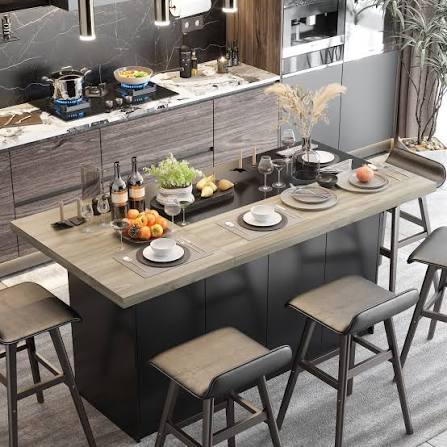
Stylish and Functional Solutions for Modern Kitchens
Choosing the right island countertop involves more than selecting an attractive surface. Material durability, maintenance requirements, color coordination, seating arrangements, and available space all influence the final result. By understanding these factors, homeowners can create a kitchen island that complements their interior style while meeting the demands of daily life.
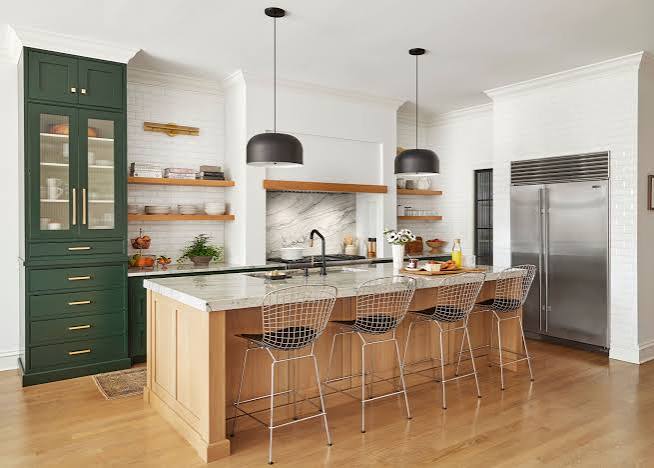
Why Island Countertops Are Essential in Modern Kitchens
Island countertops offer several advantages that make them a popular choice for contemporary homes. Unlike standard countertops positioned along the walls, a kitchen island creates a central workspace that can serve multiple purposes.
One of the primary benefits is additional preparation space. Homeowners can use the island for chopping ingredients, preparing meals, arranging serving dishes, or organizing groceries. When designed with suitable storage underneath, it can also reduce clutter by keeping frequently used kitchen tools within easy reach.
Island countertops can also support casual dining. Adding comfortable stools creates a convenient breakfast bar where family members can enjoy quick meals or socialize while food is being prepared. In open-plan homes, the island becomes a natural transition between the kitchen and adjoining living or dining areas.
Beyond functionality, the countertop itself can become a striking design feature. A contrasting color, distinctive stone pattern, or waterfall edge can give the kitchen a sophisticated focal point.
Popular Materials for Kitchen Island Countertops
Selecting the right material is one of the most important decisions when designing a kitchen island. Each surface offers different advantages in terms of appearance, durability, maintenance, and cost.
Quartz Island Countertops
Quartz countertops are popular because they combine a wide range of decorative options with relatively straightforward maintenance. Engineered quartz is available in numerous colors, from clean white and warm beige to dramatic dark shades and marble-inspired patterns.
Its nonporous surface generally resists staining and does not require periodic sealing. This makes quartz a practical choice for busy kitchens where spills and frequent cleaning are common.
Quartz can complement minimalist cabinetry, contemporary furniture, and sophisticated lighting fixtures. Homeowners who want the appearance of natural stone with a consistent pattern may find it particularly appealing.
However, quartz can be sensitive to excessive heat, so hot cookware should be placed on suitable trivets rather than directly on the surface. Following the manufacturer's care instructions helps preserve its appearance.
Natural Marble Countertops
Marble is valued for its distinctive veining, refined appearance, and luxurious character. A marble island countertop can introduce natural movement and visual depth, especially when paired with understated cabinets.
White marble with gray veining is a classic option, while warmer varieties can complement beige, cream, and wood finishes. Each slab has its own pattern, allowing homeowners to create a unique centerpiece.
Nevertheless, marble is relatively porous and can be vulnerable to staining and etching from acidic substances. Wine, lemon juice, vinegar, and certain cleaning products may affect its finish.
Regular sealing, prompt cleanup, and appropriate maintenance are important for homeowners who choose marble. It is best suited to those who appreciate natural beauty and are comfortable with the care that the material requires.
Granite Island Countertops
Granite offers a combination of natural variation, strength, and visual appeal. Its patterns range from subtle speckles to dramatic mineral formations, making it suitable for traditional and contemporary kitchens alike.
Granite can work especially well in kitchens that require a durable surface for frequent food preparation. Depending on the specific stone and finish, it may need periodic sealing to help reduce staining.
Because every slab differs, viewing the actual material before purchasing is useful. This allows homeowners to assess the color, pattern, and overall appearance alongside their selected cabinets and flooring.
Solid Surface Countertops
Solid surface materials provide a smooth, contemporary appearance and can be manufactured in a variety of colors and shapes. Some designs allow integrated sinks and discreet seams, creating a streamlined look that works well in modern interiors.
Certain solid surface materials can also be repaired if minor scratches occur, depending on the product and finish. However, they may be less resistant to high temperatures than some natural stone alternatives.
They are worth considering for homeowners who prioritize seamless design, visual simplicity, and practical everyday use.
Wood Island Countertops
Wood countertops introduce warmth and natural texture into a kitchen. Butcher-block surfaces can create an inviting atmosphere and complement white cabinets, earthy colors, and modern farmhouse interiors.
Wood is particularly effective when used on an island that doubles as a breakfast bar or casual gathering space. Its natural grain creates a pleasing contrast with metal appliances and stone surfaces elsewhere in the kitchen.
However, wood requires appropriate sealing and regular maintenance. Moisture, heat, and standing liquids can damage an inadequately protected surface. Homeowners should also follow food-safety recommendations for the specific finish and intended use.
Choosing the Right Countertop Color
The color of an island countertop influences the entire kitchen's appearance. A well-chosen shade can create contrast, reinforce a design theme, or make a compact space feel more open.
White and light-colored countertops are popular in contemporary kitchens because they create a fresh, bright appearance. They pair well with white cabinets, pale wood, and soft neutral palettes.
Gray countertops provide a balanced alternative, working with both warm and cool finishes. Light gray can create a subtle, understated effect, while charcoal gray introduces depth and contrast.
Black island countertops can create a bold statement, especially when combined with light cabinetry or metallic accents. They can also complement darker kitchens that use layered lighting and varied textures.
For a warmer atmosphere, beige, cream, and natural wood tones are excellent choices. These colors coordinate well with oak cabinets, brass hardware, and earthy decorative accessories.
When choosing a contrasting island, consider the overall balance of the room. A darker island can anchor a bright kitchen, while a light countertop can soften a cabinet finish that feels visually heavy.
Island Countertop Designs and Edge Profiles
The shape and edge profile of a countertop influence both its appearance and usability. Different designs can make an island feel traditional, minimalist, or architecturally distinctive.
Straight edges create a clean, contemporary appearance and work well in minimalist kitchens. Their simple profile allows the countertop material to remain the main visual feature.
Rounded edges soften the overall appearance and may be useful in areas where people frequently move around the island. The suitability of a particular edge depends on the material and fabrication method.
Beveled edges introduce a subtle decorative detail without overwhelming the design. They can complement transitional kitchens that combine traditional and contemporary elements.
Waterfall countertops extend the countertop material vertically down one or both sides of the island. This creates a continuous visual effect that highlights the material's color and pattern. Waterfall designs are especially effective with marble-look quartz and natural stone, although they generally require additional material and fabrication.
The best edge profile depends on the kitchen's style, available budget, and practical needs. It is worth discussing edge durability and fabrication limitations with the countertop supplier before making a final decision.
Planning the Ideal Kitchen Island Size
An attractive countertop will only perform well if the island is appropriately sized for the room. Before choosing materials, measure the kitchen carefully and consider how people will move between the island, cabinets, refrigerator, oven, and sink.
As a general planning guideline, aim for approximately 36–42 inches of clearance around the island where possible. The ideal distance depends on the layout, appliance doors, and whether one or more people need to work in the area simultaneously.
A larger island may accommodate food preparation, seating, and additional storage, but it should not obstruct the kitchen's main pathways. In smaller spaces, a compact island or peninsula may provide better functionality.
Countertop overhangs also matter when adding stools. The required depth depends on the seating arrangement and countertop construction, so confirm the specifications with the designer or fabricator. Some materials require additional support for extended overhangs.
Good planning ensures that the island contributes to the kitchen rather than making it feel crowded.
Lighting Ideas for Island Countertops
Lighting helps highlight the countertop's texture, improve visibility, and establish the right atmosphere. Pendant lights are a popular choice because they provide focused illumination while serving as decorative features.
For a balanced arrangement, choose fixtures that complement the island's length and overall kitchen style. A row of smaller pendants can work well over a long island, while one or two larger fixtures may suit a more compact design.
Recessed ceiling lights provide general illumination, and under-cabinet lighting can brighten nearby work surfaces. Combining different lighting sources makes the kitchen more functional throughout the day.
The color temperature of the lighting can also affect how countertop materials appear. Warm lighting enhances wood and beige tones, while neutral lighting can help reveal the details of white, gray, and patterned surfaces.
Maintaining Your Island Countertop
Regular maintenance protects the countertop's appearance and extends its useful life. Cleaning methods should always match the selected material.
For everyday cleaning, use a soft cloth and a suitable mild cleaner. Avoid abrasive pads and harsh chemicals unless the manufacturer specifically recommends them.
Wipe up spills promptly, particularly on marble, wood, and other materials that may be vulnerable to staining or moisture damage. Use cutting boards to protect the surface from knife marks and trivets to prevent heat damage.
Natural stone may require periodic sealing depending on its composition and finish, while engineered quartz generally does not. Wood countertops may need renewed protective treatments according to the manufacturer's instructions.
Consistent care helps preserve the island's finish and ensures that it remains an attractive and functional part of the kitchen.
Conclusion
Island countertops combine practical workspace with striking design possibilities, making them a valuable feature in modern kitchens. From low-maintenance quartz and distinctive natural stone to warm wood surfaces and seamless solid surface designs, there are options to suit different budgets, lifestyles, and interior preferences.
By considering material durability, countertop color, edge profiles, island dimensions, lighting, and maintenance requirements, homeowners can create a kitchen island that balances beauty with everyday convenience. A carefully planned island countertop can become the centerpiece of the kitchen, supporting cooking, dining, and social interaction while enhancing the overall design of the home.