
Island Countertops: Stylish and Functional Ideas for the Perfect Kitchen
A kitchen island can transform the way a kitchen looks, feels, and functions. It provides additional workspace, creates a natural gathering point for family and friends, and offers an opportunity to introduce beautiful materials and distinctive design features. At the center of this feature is the island countertop, a surface that combines everyday practicality with visual appeal. Choosing the right countertop can help create a kitchen that feels organized, welcoming, and perfectly suited to modern living.
Whether you are renovating an existing kitchen or planning a completely new space, selecting the ideal island countertop requires careful consideration of materials, colors, dimensions, and maintenance. From luxurious natural stone to contemporary engineered surfaces, there are many options to suit different budgets and design preferences.
Why Island Countertops Are Essential in Modern Kitchens
Kitchen islands have become popular because they offer more than additional counter space. They can serve as preparation stations, breakfast bars, informal dining areas, and even storage solutions. A thoughtfully designed countertop helps bring all these functions together while establishing the overall style of the kitchen.
One of the biggest advantages of an island countertop is its versatility. Homeowners can use it for chopping ingredients, arranging serving dishes, preparing meals, or enjoying a quick breakfast. In open-plan homes, the island can also create a visual connection between the kitchen, dining area, and living room.
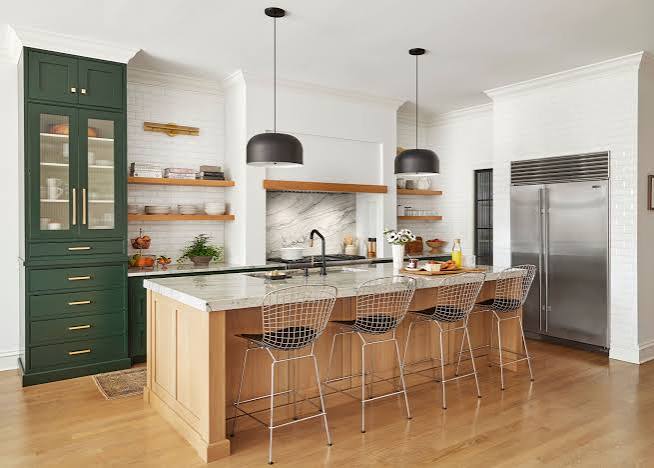
Island countertops provide an opportunity to introduce contrast into the kitchen. For example, a white countertop can complement dark cabinets, while a warm wooden surface can soften an interior filled with stainless steel and glossy finishes. The right combination creates a balanced appearance without sacrificing functionality.
Popular Materials for Kitchen Island Countertops
Choosing the appropriate material is one of the most important decisions when designing a kitchen island. Each surface has different characteristics, including durability, heat resistance, maintenance requirements, and appearance.
Quartz Countertops
Quartz is a popular option for homeowners seeking a consistent appearance and relatively straightforward maintenance. Engineered quartz surfaces are available in a wide variety of colors, patterns, and finishes, including designs inspired by natural marble.
Because quartz is nonporous, it generally resists everyday staining better than many untreated natural stones. This makes it suitable for busy kitchens where food preparation happens frequently.
However, quartz is not completely resistant to damage. Excessive heat can discolor or damage some products, so hot pans should be placed on trivets rather than directly on the surface. Homeowners should also check the manufacturer's recommendations before selecting quartz for a kitchen island.
Granite Countertops
Granite offers natural patterns, distinctive colors, and a durable surface that can work well in active kitchens. Every slab has its own variations, allowing homeowners to create an island with a unique appearance.
Granite is available in light, dark, and multicolored varieties. A pale granite countertop can brighten a kitchen with dark cabinets, while a deep charcoal or black surface can create a dramatic focal point.
Depending on the particular stone, granite may require periodic sealing to help reduce staining. Regular cleaning with a suitable product and prompt attention to spills can help maintain its appearance.
Marble Countertops
Marble is an attractive choice for homeowners who want an elegant, luxurious kitchen island. Its natural veining creates visual movement and can make the island a striking centerpiece.
White marble with gray veins works beautifully in classic and contemporary interiors, while warmer marble varieties can complement cream cabinets, brass fixtures, and natural wood.
However, marble requires more care than some alternative materials. Acidic substances such as lemon juice, vinegar, and wine can etch its surface, leaving dull marks. It can also stain if spills are not cleaned promptly. For households that cook frequently, understanding these maintenance requirements is essential before choosing marble.
Butcher Block and Wooden Countertops
Wooden countertops introduce warmth and natural texture into the kitchen. Butcher block is particularly appealing to homeowners who prefer a welcoming, organic atmosphere rather than an entirely stone-based design.
A wooden island countertop can complement white cabinetry, painted cabinets, open shelving, and natural decorative accents. It can also make a large kitchen feel less formal.
Wood requires regular care to protect it from moisture, stains, and scratches. The appropriate finish depends on the type of wood and its intended use. Homeowners should follow the manufacturer's maintenance instructions and avoid allowing standing water to collect around seams or sink openings.
Porcelain Countertops
Porcelain slabs have gained attention for their modern appearance and practical qualities. They are available in designs that resemble marble, concrete, and other natural materials, making them suitable for a variety of kitchen styles.
Many porcelain products offer strong resistance to heat, scratches, and ultraviolet light, although performance depends on the specific product and installation. Their surfaces are generally easy to clean, which is useful in kitchens that see frequent activity.
Professional fabrication and installation are important because large porcelain slabs can be vulnerable to damage during handling if they are not supported correctly.
Choosing the Right Color for Your Island Countertop
The color of your island countertop can influence the entire kitchen's atmosphere. A well-chosen shade helps connect the cabinetry, flooring, backsplash, lighting, and appliances.
White countertops remain popular because they create a bright, clean appearance. They work particularly well with gray, navy, green, and natural wood cabinets. A white surface with subtle veining can add sophistication without making the design feel overly decorative.
Black and dark gray countertops create contrast and can make an island stand out in a light-colored kitchen. These shades often complement contemporary cabinets, metallic fixtures, and minimalist lighting. However, some dark polished surfaces may show dust, fingerprints, and water marks more clearly.
Beige, cream, and warm neutral countertops can create a softer atmosphere. They pair naturally with wooden cabinets, earthy colors, and warm lighting. Green or blue countertops may suit homeowners who want a distinctive focal point, especially when the remaining kitchen palette is relatively simple.
Before choosing a color, compare physical samples with your cabinet doors, flooring, and backsplash under the kitchen's actual lighting conditions. Countertop colors can look different under daylight and artificial illumination.
Finding the Ideal Countertop Size and Thickness
The dimensions of a kitchen island countertop should reflect the available space and the activities it needs to support. A larger island can offer extensive preparation space and room for seating, but it should not make the kitchen difficult to navigate.
Leave sufficient clearance around the island so that cabinet doors, appliances, and drawers can open comfortably. The required spacing depends on the kitchen layout, appliance locations, and whether multiple people will be working in the area.
Countertop thickness also affects the overall appearance. Thicker edges can create a substantial, architectural look, while thinner profiles often suit minimalist interiors. Some materials can be fabricated with a built-up edge to create the appearance of greater thickness.
If the island will include seating, plan the overhang carefully. The necessary support depends on the countertop material, thickness, and projection. Large overhangs may require brackets, legs, or another engineered support system, so the installer should confirm the appropriate design before fabrication.
Waterfall Island Countertops: A Contemporary Statement
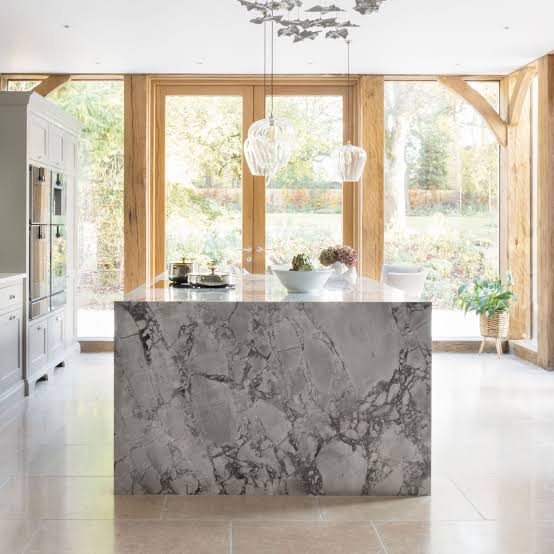
A waterfall countertop is a design in which the countertop material continues vertically down one or both sides of the island to the floor. This creates a continuous appearance that highlights the material's color and pattern.
Waterfall edges are particularly effective with marble-look quartz, natural stone, and porcelain slabs. When the veining is carefully matched across the horizontal and vertical surfaces, the result can feel seamless and visually impressive.
This design works well in open-plan kitchens because the island is visible from multiple angles. It can also protect the sides of the island cabinetry from everyday contact.
However, waterfall countertops generally require additional material, careful fabrication, and a larger installation budget. The decision should take into account the cost, the island's proportions, and whether the additional visual impact is worth the investment.
Functional Features to Consider
A beautiful island countertop should support the way your household uses the kitchen. Several features can make the island more practical.
First, consider whether you need a dedicated preparation area. A generous uninterrupted surface can make chopping, mixing, and arranging ingredients easier. If the island will include a sink or cooktop, plan the plumbing, electrical connections, ventilation, and countertop cutouts early in the design process.
Second, think about storage. Cabinets and drawers beneath the island can hold cookware, utensils, small appliances, and other kitchen essentials. Organizing storage around the countertop's intended functions helps keep frequently used items accessible.
Seating is another important consideration. A countertop overhang can create a casual breakfast bar or a place for guests to sit while meals are prepared. Choose seating dimensions that provide adequate legroom and comfortable movement.
Finally, consider lighting. Pendant lights above the island can improve visibility while adding a decorative feature. Their size, placement, and brightness should complement the countertop without creating glare or obstructing views across the room.
How to Maintain Your Kitchen Island Countertop
Proper maintenance helps preserve the appearance and performance of your countertop. The best cleaning method depends on the material, so always follow the manufacturer's recommendations.
For most surfaces, wiping spills promptly and cleaning with a soft cloth and a suitable cleaner is a good starting point. Avoid harsh chemicals or abrasive tools unless the manufacturer confirms they are safe for the material.
Use cutting boards to protect countertops from knife marks, and place hot cookware on trivets unless the product is specifically rated for direct contact with hot items. Pay special attention to seams, sink edges, and other areas where moisture may collect.
Natural stone may require periodic sealing, depending on the type of stone and the sealer used. Engineered surfaces may have different care requirements. Regular maintenance and sensible daily habits can help your island countertop remain attractive for years.
Conclusion
Island countertops play a central role in creating a kitchen that combines style, comfort, and everyday practicality. The right material, color, size, and edge design can turn an ordinary island into a functional centerpiece that complements the entire interior.
Quartz, granite, marble, wood, and porcelain each offer different advantages, making it important to consider your lifestyle, budget, and maintenance preferences before deciding. Features such as waterfall edges, comfortable seating, organized storage, and appropriate lighting can further improve the island's design.
By balancing appearance with functionality and investing in professional planning and installation, you can create a kitchen island that supports daily cooking, encourages social interaction, and enhances the beauty of your home for years to come.