
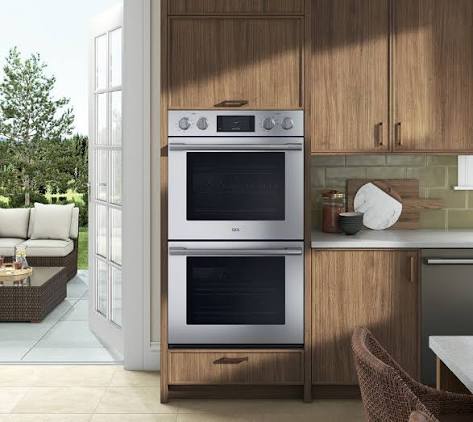
A Perfect Blend of Modern Design and Cooking Performance
Built-in ovens have become an essential feature in modern kitchens, offering a combination of convenience, advanced cooking technology, and elegant design. Unlike traditional freestanding ovens, these appliances are integrated directly into kitchen cabinetry, creating a streamlined appearance that maximizes available space. Whether you are designing a contemporary kitchen or upgrading an existing cooking area, choosing the right built-in oven can improve both functionality and visual appeal.
With a wide range of sizes, finishes, cooking modes, and smart features available, built-in ovens can meet the needs of different households and cooking styles. From preparing everyday family meals to baking desserts and hosting special gatherings, these appliances provide reliable performance while complementing the overall kitchen design.
Understanding the different types of built-in ovens, their key features, and installation requirements can help you make an informed decision and create a kitchen that combines style with practical efficiency.

What Are Built-in Ovens?
Built-in ovens are cooking appliances designed to fit into dedicated spaces within kitchen cabinets or wall units. They are typically installed at waist or eye level, depending on the kitchen layout and the homeowner's preferences. This arrangement creates a clean, integrated look while making it easier to access dishes without bending as far as some traditional oven designs require.
Unlike freestanding ranges, built-in ovens are usually installed separately from the cooktop. This arrangement gives homeowners greater flexibility when planning their kitchen layout. The oven can be positioned beneath a countertop, inside a tall cabinet, or within a designated appliance wall.
Modern built-in ovens are available in electric and, in some markets, gas-powered configurations. Many models include convection cooking, programmable timers, multiple heating settings, and self-cleaning functions. Premium options may also offer touchscreen controls, connected cooking features, and automatic programs designed to simplify meal preparation.
Benefits of Installing Built-in Ovens
Choosing a built-in oven offers several advantages that make it a practical addition to both small and spacious kitchens.
Space-Saving Kitchen Design
One of the main benefits of built-in ovens is their ability to integrate seamlessly into existing cabinetry. By eliminating the need for a separate freestanding range, they allow homeowners to organize the kitchen more efficiently.
This design is especially useful in compact kitchens, where every inch of space matters. Installing an oven beneath a countertop or inside a tall cabinet can help create a more organized cooking area while leaving additional room for food preparation and storage.
Improved Accessibility and Comfort
Built-in ovens can be positioned at a height that suits the user's needs. Eye-level installations make it easier to monitor cooking progress, check food, and remove heavy dishes without repeatedly bending down.
For households that cook frequently, this arrangement can improve everyday comfort. However, the installation height should be planned carefully to ensure safe access to hot trays and oven doors.
A Modern and Elegant Appearance
Built-in ovens contribute to a polished kitchen design through their integrated construction and coordinated finishes. Stainless steel, black glass, and contemporary metallic accents can complement a wide range of cabinet styles.
When paired with matching built-in appliances, such as microwaves and warming drawers, these ovens can create a cohesive appearance. Handleless cabinetry and minimalist surfaces can further enhance the clean, modern aesthetic.
Versatile Cooking Performance
Modern built-in ovens offer multiple cooking functions that support a variety of recipes. Depending on the model, these may include conventional heating, fan-assisted cooking, grilling, baking, roasting, and specialized settings for specific dishes.
This versatility makes built-in ovens suitable for preparing everything from bread and pastries to roasted vegetables and family dinners. Some models also include temperature probes or automatic cooking programs to help users achieve more consistent results.
Popular Types of Built-in Ovens
Understanding the available oven types can help you select an appliance that matches your cooking habits and kitchen requirements.
Conventional Built-in Ovens
Conventional built-in ovens use heating elements to cook food, generally relying on heat from the top, bottom, or both. They are a practical option for everyday cooking and are available in a variety of sizes and configurations.
These ovens can be suitable for roasting, baking, and preparing familiar family recipes. Their straightforward operation also makes them appealing to homeowners who prefer simple controls rather than extensive digital features.
Fan-Assisted and Convection Ovens
Fan-assisted ovens use a fan to circulate hot air throughout the cooking cavity. This circulation helps distribute heat more evenly and can improve cooking consistency.
Convection cooking is particularly useful when baking multiple trays or preparing foods that benefit from more uniform heat. Depending on the recipe and appliance, it may also reduce cooking time or allow food to cook at a lower temperature than conventional settings.
Because performance varies by model, it is important to follow the manufacturer's recommendations and adjust recipes when necessary.
Steam Ovens
Steam ovens use water vapor to cook or heat food. Some models operate primarily with steam, while combination steam ovens offer both steam and conventional heating.
These appliances can be useful for cooking vegetables, fish, and other foods that benefit from moisture retention. Combination models may also support baking and roasting, offering greater flexibility for households with varied cooking preferences.
Before purchasing a steam oven, consider its water supply or refill requirements, cleaning process, and available cooking functions.
Self-Cleaning Built-in Ovens
Self-cleaning ovens are designed to reduce the effort required to remove grease and food residue. Depending on the model, cleaning systems may use high temperatures to turn residue into ash or use specialized catalytic or steam-assisted methods to make cleaning easier.
These features can save time, particularly for people who use their ovens frequently. However, each cleaning system has specific operating requirements, so homeowners should review the manufacturer's instructions before selecting a model.
Essential Features to Consider
Choosing the right built-in oven involves more than comparing appearance and price. Several technical and practical features can influence long-term satisfaction.
Oven Capacity and Dimensions
Oven capacity is generally measured in liters, while external dimensions determine whether the appliance will fit into the designated cabinet space. Smaller models may suit individuals or compact kitchens, while larger capacities can be useful for families and people who frequently entertain guests.
Before purchasing, measure the cabinet opening and check the required installation clearances. Confirm the appliance's external dimensions, internal capacity, door clearance, and ventilation requirements to avoid installation problems.
Temperature Control and Cooking Modes
Accurate temperature control is essential for consistent baking and roasting. Look for an oven with clear temperature settings, suitable heating modes, and easy-to-use controls.
Digital displays can make adjustments more precise, while programmable timers allow users to manage cooking schedules. If you regularly prepare different types of food, consider an oven that offers a useful range of functions without making everyday operation unnecessarily complicated.
Energy Efficiency
Energy efficiency is another important factor when comparing built-in ovens. An efficient model can help reduce electricity consumption over time, depending on how frequently it is used and the cooking settings selected.
Check the product's energy label where available, and compare consumption information using the relevant regional rating system. Features such as effective insulation, appropriate capacity, and efficient cooking modes may also contribute to practical energy savings.
Smart Features and Safety Functions
Some modern built-in ovens include Wi-Fi connectivity, remote monitoring, recipe assistance, or integration with compatible smart-home systems. These features can provide additional convenience, although their usefulness depends on personal preferences and the reliability of the connected services.
Safety features are equally important. Look for options such as child locks, cool-touch door designs, automatic shutoff, and clear indicators showing when the oven is hot. The availability of these features varies between models.
How to Choose the Right Built-in Oven for Your Kitchen
The best built-in oven is one that fits your space, cooking habits, and budget. Start by identifying how frequently you cook and the types of meals you prepare most often.
For everyday family cooking, a standard electric oven with convection and straightforward controls may provide everything you need. Home bakers may prefer precise temperature management and multiple rack positions, while households that prioritize moisture retention may benefit from a steam or combination steam oven.
Next, consider the kitchen layout. A tall cabinet installation can improve accessibility and create a dedicated appliance area, while an under-counter oven may be more suitable for kitchens with limited wall space. Ensure that the location provides sufficient ventilation and allows the door to open safely.
Finally, compare warranties, available service support, cleaning requirements, and replacement part availability. A model with useful features, dependable performance, and accessible maintenance support may offer better long-term value than an appliance chosen solely for its appearance.
Styling Ideas for Modern Kitchens
Built-in ovens can become an attractive part of the overall kitchen design when their finish and placement coordinate with surrounding elements.
For a minimalist kitchen, consider a black-glass oven paired with handleless cabinets, neutral countertops, and simple geometric lines. This combination creates a clean appearance without visual clutter.
In an industrial-inspired kitchen, a stainless steel oven can complement metal accents, darker cabinetry, and textured surfaces. For a warmer contemporary design, combine the appliance with wood-effect cabinets, natural stone countertops, and soft neutral colors.
Installing a built-in oven alongside a matching microwave can create a balanced appliance wall. Keeping both appliances aligned and ensuring adequate cabinet space helps achieve a professional finish.
Lighting can also improve the visual effect. Under-cabinet lighting and carefully planned task illumination make food preparation easier while highlighting the kitchen's materials and finishes.
Maintenance Tips for Long-Lasting Performance
Regular maintenance helps keep built-in ovens clean, safe, and efficient. After the oven has cooled, remove food residue using a soft cloth and a cleaning product approved by the manufacturer.
Clean oven racks and trays according to the instructions provided with the appliance. Avoid abrasive materials or harsh chemicals on surfaces that may be damaged by them. If the oven includes a self-cleaning function, follow the recommended procedure and remove accessories when instructed.
Check the door seal periodically to ensure it remains clean and properly positioned. A damaged seal may allow heat to escape and affect cooking performance. Keep ventilation openings unobstructed, and arrange professional servicing if the appliance develops persistent heating problems, unusual noises, or electrical faults.
Always disconnect the appliance from its power supply before performing any maintenance that requires access to electrical components. Installation and electrical repairs should be handled by qualified professionals.
Conclusion
Built-in ovens offer an effective way to combine modern kitchen design with versatile cooking performance. Their integrated appearance, flexible installation options, and wide range of features make them suitable for different homes, cooking preferences, and budgets.