
A Smart and Stylish Solution for Modern Kitchens
Induction cooktops have become increasingly popular among homeowners who want a modern, efficient, and convenient cooking experience. Combining advanced heating technology with sleek designs, these appliances offer an attractive alternative to traditional gas and electric cooktops. Their smooth surfaces, precise temperature controls, and fast heating capabilities make them an excellent choice for contemporary kitchens of all sizes.
Whether you are renovating your kitchen, designing a new home, or upgrading your existing cooking appliances, an induction cooktop can improve everyday meal preparation while creating a clean and sophisticated appearance. Available in different sizes, configurations, and finishes, these cooktops complement a wide range of interior styles while providing practical benefits for busy households.
Understanding how induction cooktops work, exploring their main features, and comparing available models can help you choose the right appliance for your kitchen. With the right selection, you can enjoy a cooking surface that combines modern technology, energy efficiency, and elegant design.

What Are Induction Cooktops?
Induction cooktops are cooking appliances that use electromagnetic energy to heat compatible cookware directly rather than relying on a flame or a conventional heating element. Beneath the smooth glass surface, an electromagnetic coil generates a magnetic field when the appliance is switched on. This field transfers energy to compatible pots and pans, producing heat inside the cookware itself.
Because the cookware generates the heat, induction cooking can respond quickly to temperature adjustments. The cooktop surface may still become hot from contact with heated cookware, but it generally remains cooler than a traditional electric cooking surface during operation.
Induction cooktops are available as built-in models that integrate directly into kitchen countertops. This installation style creates a streamlined appearance and allows homeowners to combine the cooktop with a separate built-in oven, offering greater flexibility when planning the kitchen layout.
Benefits of Installing Induction Cooktops
Choosing an induction cooktop provides several advantages that make it suitable for modern households.
Faster and More Responsive Cooking
One of the main benefits of induction cooktops is their ability to heat compatible cookware quickly. Unlike traditional electric cooktops, which must heat an element before transferring energy to a pan, induction technology generates heat directly in the cookware.
This feature can reduce the time needed to boil water, heat sauces, and prepare everyday meals. It also allows cooks to adjust temperatures quickly, which is particularly helpful when preparing delicate dishes or recipes that require precise heat control.
Improved Energy Efficiency
Induction cooktops transfer energy directly to compatible cookware, reducing the amount of heat lost to the surrounding environment compared with many conventional cooking methods. This can make them an energy-efficient choice, although actual savings depend on the appliance, cooking habits, electricity rates, and the alternative cooking technology being replaced.
For households that cook frequently, choosing an efficient cooktop can contribute to more responsible energy use. Selecting the appropriate pan size for each cooking zone and using lids when suitable can further improve cooking efficiency.
Enhanced Kitchen Safety
Induction cooktops offer several safety advantages. Because the appliance heats cookware directly, the cooking surface generally does not become as hot as a conventional electric heating element during use. However, residual heat from hot pots and pans can still make the surface dangerous to touch.
Many models include safety features such as automatic shutoff, child locks, residual heat indicators, and pan detection. Pan detection can prevent a cooking zone from operating normally when compatible cookware is absent.
These features can provide additional peace of mind, particularly in family kitchens. Nevertheless, users should always follow the manufacturer's instructions and keep children away from active cooking areas.
Easy Cleaning and Maintenance
The flat glass surface of an induction cooktop makes everyday cleaning relatively simple. Unlike gas cooktops with removable grates and burners, induction models generally have fewer exposed components where food residue can accumulate.
Because spills are less likely to burn onto a surface that is not directly heated in the same way as a conventional electric element, many messes can be easier to remove. For best results, allow the cooktop to cool and use a soft cloth with a cleaning product approved by the manufacturer.
Regular cleaning helps preserve the appliance's appearance and prevents food residue from affecting the cooking experience.
Popular Types of Induction Cooktops
Different induction cooktop designs offer varying levels of flexibility, making it important to select a model that matches your cooking habits and kitchen layout.
Standard Built-in Induction Cooktops
Standard built-in induction cooktops typically feature several cooking zones arranged across a rectangular glass surface. They are suitable for everyday family cooking and can accommodate multiple pots and pans simultaneously.
These models are available in different widths and configurations, allowing homeowners to choose an appliance that fits their countertop dimensions. Their minimalist appearance also works well with contemporary cabinetry, stone countertops, and integrated kitchen appliances.
Flexible-Zone Induction Cooktops
Flexible-zone models allow certain cooking areas to operate together as a larger zone. This feature can accommodate wider cookware, rectangular griddles, and pans that do not fit neatly within a conventional circular cooking zone.
Flexible induction technology is particularly useful for people who prepare several dishes at once or use specialized cookware. Before purchasing, check how the zones can be combined and whether the feature supports the sizes and shapes of pans you use most frequently.
Portable Induction Cooktops
Portable induction cooktops offer a compact alternative for kitchens with limited space. They can be useful in small apartments, temporary cooking areas, or homes that need an additional cooking surface.
Although portable models do not provide the same integrated appearance as built-in appliances, they can be a practical option for occasional cooking. Their performance, power requirements, and safety features vary, so it is important to compare specifications before making a purchase.
Essential Features to Consider
Choosing the right induction cooktop involves evaluating several important features beyond its appearance.
Number and Size of Cooking Zones
The number of cooking zones determines how many pans you can use simultaneously. Compact models may have two zones, while larger appliances often provide four or more.
Consider the size of your household and the types of meals you prepare. A small household that cooks simple meals may need fewer zones, whereas a family that regularly prepares several dishes at once may benefit from a larger model.
The diameter and arrangement of the zones should also match your cookware. Choosing an appliance with appropriately sized cooking areas can help improve performance and convenience.
Power Levels and Temperature Control
Precise temperature adjustment is essential for successful cooking. Look for a model with a suitable range of power settings and intuitive controls.
Touch controls provide a smooth, uncluttered appearance, while slider controls can make it easier to adjust heat levels quickly. Some models include boost functions for rapid heating, timers for individual cooking zones, and automatic programs for specific tasks.
Choose features that suit your everyday routine rather than paying extra for functions you are unlikely to use.
Safety and Automatic Controls
Safety features can improve convenience and reduce the likelihood of common cooking mistakes. Automatic shutoff can turn off a cooking zone after a defined period or when certain operating conditions occur. Residual heat indicators warn users that a zone remains hot after cooking.
Child locks help prevent accidental changes to the controls, while overflow protection on some models can respond to liquid spills. The exact functions vary by manufacturer, so compare the available safety features before choosing an appliance.
Energy Consumption and Electrical Requirements
Induction cooktops use electricity and may require a dedicated circuit or a specific electrical connection, depending on their power rating and local regulations.
Before installation, check the manufacturer's electrical specifications and consult a qualified electrician. The home's electrical supply must be suitable for the appliance's requirements.
Review energy information where available, but remember that actual electricity consumption depends on cooking duration, heat settings, cookware, and the type of meals being prepared.
Choosing the Right Cookware for Induction Cooking
One important consideration when purchasing induction cooktops is cookware compatibility. Because induction technology relies on a magnetic field, not every pot or pan will work.
Cookware made from magnetic stainless steel or cast iron is generally suitable. Some stainless steel cookware is not magnetic enough for induction, so it is important to check the manufacturer's labeling or test the base with a magnet. Aluminum, copper, and glass cookware typically require a compatible magnetic base to work on an induction cooktop.
The cookware should also have a flat, stable bottom and a diameter appropriate for the selected cooking zone. Using compatible pans improves heat transfer and helps the appliance operate as intended.
If your existing cookware is unsuitable, consider the cost of replacing essential pots and pans when planning your kitchen upgrade.
Design Ideas for Modern Kitchens
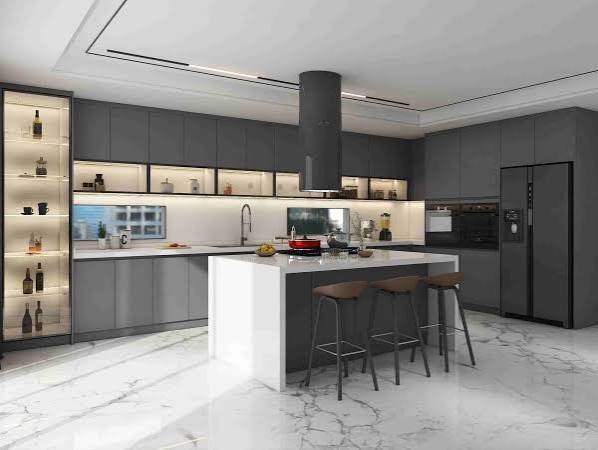
Induction cooktops are particularly attractive in kitchens where clean lines and integrated appliances are important. Their smooth black glass surfaces can create a striking contrast with white cabinetry, light countertops, and neutral backsplashes.
For a minimalist kitchen, pair a frameless induction cooktop with handleless cabinets and a simple stone countertop. Keeping decorative accessories to a minimum helps maintain a streamlined appearance.
In a contemporary kitchen, an induction cooktop can be combined with a built-in oven, integrated microwave, and concealed storage to create an organized appliance area. Coordinating finishes and maintaining consistent cabinet lines can make the entire space feel more cohesive.
For smaller kitchens, a compact built-in model can preserve valuable countertop space while providing a dedicated cooking area. Careful placement near food preparation surfaces can also improve workflow and make meal preparation more comfortable.
Cleaning and Maintaining Induction Cooktops
Regular maintenance helps protect the glass surface and maintain the appliance's performance. After cooking, allow the surface to cool sufficiently before cleaning, and follow the manufacturer's recommendations for suitable products.
Use a soft cloth or non-abrasive sponge to remove everyday spills. Avoid steel wool, abrasive powders, and harsh cleaning products that may scratch or damage the glass. Sugar-based spills should be addressed promptly according to the manufacturer's instructions because they can damage the surface if allowed to harden under certain conditions.
Lift cookware instead of dragging it across the glass, as rough pan bottoms can cause scratches. Check the ventilation openings periodically and keep them clear to support proper airflow.
If the cooktop displays persistent error messages, fails to recognize compatible cookware, or develops a crack in the glass, stop using it as appropriate and contact a qualified service professional. A cracked cooking surface should not be used.
Conclusion
Induction cooktops combine advanced heating technology, responsive temperature control, modern styling, and convenient maintenance in one practical kitchen appliance. Their energy-efficient operation, smooth surfaces, and integrated installation make them an appealing choice for homeowners seeking a contemporary cooking solution.
By considering cooking zones, power settings, cookware compatibility, safety functions, electrical requirements, and countertop dimensions, you can choose an induction cooktop that suits your household's needs. With the right model and proper care, this versatile appliance can improve everyday cooking while adding a sophisticated finishing touch to your kitchen.