
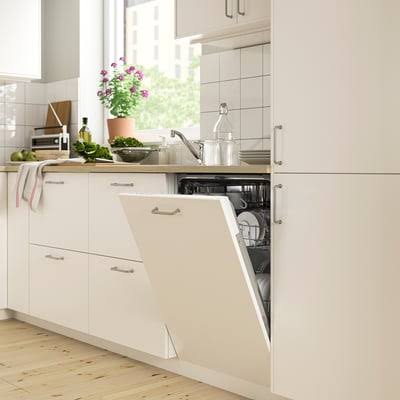
A Seamless and Stylish Solution for Modern Kitchens
Integrated dishwashers have become an increasingly popular choice for homeowners who want a clean, organized, and functional kitchen. Designed to fit behind cabinet doors or blend seamlessly with surrounding cabinetry, these appliances combine modern convenience with a sophisticated appearance. They help simplify everyday cleaning while maintaining the consistent design of contemporary kitchen interiors.
Whether you are renovating an existing kitchen or planning a new one, an integrated dishwasher can improve your daily routine and make better use of available space. With different sizes, installation styles, wash programs, and energy-saving features available, choosing the right model allows you to balance performance, convenience, and visual appeal.
Understanding how integrated dishwashers work, exploring their main features, and considering your household's needs can help you make a confident purchasing decision. With thoughtful planning, this practical appliance can become an essential part of a well-designed kitchen.
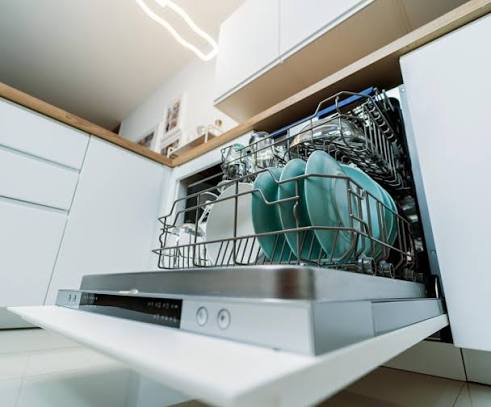
What Are Integrated Dishwashers?
Integrated dishwashers are appliances designed to be installed within kitchen cabinetry rather than displayed as standalone units. Most models feature a front panel that matches the surrounding cabinet doors, helping the appliance blend into the overall kitchen design.
There are two common styles: fully integrated and semi-integrated dishwashers. Fully integrated models conceal the control panel behind the cabinet door, creating a uniform appearance when closed. Semi-integrated models have a visible control panel at the top of the front section, allowing users to access buttons and displays more easily.
Both designs offer the practical benefits of automatic dishwashing while maintaining a coordinated kitchen layout. They are particularly suitable for modern interiors where clean lines, concealed appliances, and efficient organization are important.
Integrated dishwashers are available in standard and compact sizes, making them suitable for different household requirements. Their installation typically requires a dedicated cabinet space, appropriate water and drainage connections, and an electrical supply that meets the manufacturer's specifications.
Benefits of Installing Integrated Dishwashers
Choosing an integrated dishwasher offers several advantages that make it a valuable addition to a modern kitchen.
A Seamless and Elegant Kitchen Design
One of the main benefits of integrated dishwashers is their ability to blend into the surrounding cabinetry. By concealing the appliance behind a matching panel, homeowners can maintain a consistent appearance throughout the kitchen.
This design works particularly well with minimalist interiors, handleless cabinets, and neutral color schemes. It also allows other design features, such as countertops, backsplashes, and decorative lighting, to stand out without interruption from visible appliances.
For homeowners who appreciate a clean and uncluttered environment, integrated dishwashers provide a practical way to maintain visual harmony.
Convenient Everyday Cleaning
Integrated dishwashers reduce the time and effort required to wash dishes manually. Instead of cleaning plates, glasses, cookware, and cutlery by hand, users can load the appliance, select a suitable program, and allow it to complete the cleaning cycle.
This convenience is especially valuable for busy households, families, and people who frequently entertain guests. Many modern models offer adjustable racks, dedicated cutlery trays, and flexible loading systems that help accommodate different types of kitchenware.
By simplifying cleanup after meals, an integrated dishwasher can make the kitchen more comfortable and efficient to use.
Better Organization and Space Efficiency
Integrated dishwashers fit into a planned cabinet layout, allowing homeowners to organize the kitchen around a coordinated set of appliances. Their placement near the sink and storage cabinets can also improve the workflow between rinsing, loading, and putting away dishes.
Compact models can be particularly useful in smaller kitchens, apartments, and households with limited dishwashing needs. Larger models provide greater capacity for families who regularly use multiple plates, glasses, and cooking utensils.
Careful planning ensures that the dishwasher door opens comfortably without blocking nearby drawers, walkways, or cabinet doors.
Potential Water and Energy Savings
Modern dishwashers are designed to clean dishes efficiently while controlling water and electricity consumption. Depending on the model and the selected program, using a dishwasher can consume less water than washing a full load by hand under a continuously running tap.
Energy-saving programs may use lower temperatures, optimized water circulation, or longer cycles to reduce consumption. However, actual savings depend on the appliance's efficiency, household habits, load size, and local water and electricity costs.
For the best results, choose a model with suitable efficiency ratings and operate it with appropriately sized loads.
Popular Types of Integrated Dishwashers
Understanding the available designs can help you choose an appliance that suits your kitchen layout and daily routine.
Fully Integrated Dishwashers
Fully integrated dishwashers are concealed behind a cabinet panel, with their controls located along the top edge of the door. When closed, the appliance blends almost completely into the kitchen cabinetry.
This style is an excellent choice for minimalist and contemporary interiors. It creates a consistent appearance and allows homeowners to match the dishwasher panel with existing cabinet materials, colors, and finishes.
Some fully integrated models include a light indicator that projects onto the floor to show when a cycle is running. Since the controls remain hidden while the door is closed, this feature can be useful for checking the appliance's status.
Semi-Integrated Dishwashers
Semi-integrated dishwashers combine a cabinet-matched front panel with a visible control section. This arrangement makes it easier to access buttons, timers, and cycle information without opening the door.
These models can be a practical choice for homeowners who want a coordinated design but prefer visible controls. They offer a balance between a built-in appearance and everyday convenience.
When selecting a semi-integrated dishwasher, check the front-panel dimensions and control layout to ensure compatibility with the planned cabinetry.
Compact Integrated Dishwashers
Compact integrated dishwashers are designed for kitchens where space is limited or dishwashing requirements are relatively modest. They can suit small apartments, studios, and households with fewer occupants.
Although their capacity is smaller than that of standard models, they can still provide useful cleaning functions and flexible loading arrangements. Before purchasing, compare the available place settings and internal dimensions with the types of dishes and cookware you use regularly.
Essential Features to Consider
Choosing the right integrated dishwasher involves comparing its capacity, performance, noise level, and available programs.
Capacity and Interior Flexibility
Dishwasher capacity is often measured in place settings, although the number of items that fit in practice depends on their size and shape.
A larger household may benefit from a standard-capacity model, while a compact dishwasher may be sufficient for a smaller household. Adjustable racks, foldable plate supports, and movable upper baskets can make loading easier when cleaning oversized plates, bowls, and cookware.
Look for an interior layout that accommodates your everyday dishes without requiring excessive rearrangement.
Washing Programs and Cleaning Performance
Modern integrated dishwashers often include several washing programs for different levels of soil and types of kitchenware.
An eco program is designed to reduce resource consumption, while an intensive cycle may be suitable for heavily soiled pots and pans. Quick programs can help clean lightly soiled dishes when time is limited, and delicate settings may be available for suitable glassware.
Some models also feature automatic programs that adjust the wash according to detected soil levels. Choosing useful programs can improve convenience without making operation unnecessarily complicated.
Noise Levels
Noise is an important consideration in open-plan kitchens, where cooking, dining, and socializing often take place in the same area.
Dishwasher noise is typically measured in decibels, with lower figures indicating quieter operation under the specified test conditions. If the kitchen is connected to a living or dining area, comparing noise ratings can help you select a model that suits your environment.
Quiet operation may also be beneficial when running the dishwasher in the evening or overnight, provided the chosen program and household arrangements allow it.
Energy and Water Efficiency
Check the appliance's energy label and water-consumption information where available. Compare models using the same regional rating system and pay attention to the program associated with the published figures.
Features such as efficient water circulation, load sensing, and eco programs may help reduce resource use. However, results depend on how the appliance is loaded and operated.
Running full but properly arranged loads and following the manufacturer's recommendations can help improve efficiency.
How to Choose the Right Integrated Dishwasher
Start by measuring the available cabinet space, including the height, width, and depth of the installation opening. Check the manufacturer's installation drawings rather than relying only on the appliance's general dimensions.
Next, consider your household size and dishwashing habits. Families that cook frequently may need greater capacity, while smaller households may prefer a compact model. Think about whether you regularly wash large cookware, delicate glasses, or unusually shaped dishes.
You should also evaluate the location of the sink, water connections, drainage, and electrical supply. The dishwasher should be positioned for convenient loading while allowing its door to open fully.
Finally, compare warranties, service availability, spare parts, and installation requirements. A model that fits your kitchen and provides reliable long-term support may offer better value than one selected solely for its appearance or number of features.
Design Ideas for Modern Kitchens
Integrated dishwashers work well with a variety of kitchen styles. In a minimalist kitchen, matching the dishwasher panel to handleless cabinets can create a continuous, uncluttered appearance.
For a warm contemporary interior, combine coordinated cabinetry with wood-effect finishes, natural stone countertops, and understated hardware. Concealing the dishwasher helps preserve the balance between practical appliances and decorative materials.
In a small kitchen, placing the dishwasher near the sink can improve the workflow and reduce the distance between rinsing and loading. Using matching cabinet fronts and maintaining consistent lines can also make the room appear more organized.
For larger kitchens, an integrated dishwasher can be paired with other built-in appliances, such as ovens and refrigerators, to create a cohesive design. Careful coordination of cabinet dimensions and finishes helps produce a polished result.
Cleaning and Maintaining Integrated Dishwashers
Regular maintenance helps maintain cleaning performance and reduce unpleasant odors. Remove food debris from the filter as recommended by the manufacturer, and check the spray arms for blocked openings.
Clean the door edges and seals with a suitable soft cloth, paying attention to areas where moisture and residue may collect. Use dishwasher detergent and rinse aid according to the product instructions, and avoid ordinary handwashing liquid because it can create excessive foam.
Run a suitable dishwasher-cleaning cycle when necessary, following the manufacturer's guidance. Do not overload the racks, as poorly positioned dishes can block the spray arms and prevent water from reaching all surfaces.
Periodically inspect the visible water connections and drainage area for signs of leakage. Installation, electrical repairs, and internal servicing should be handled by qualified professionals when required.
Conclusion
Integrated dishwashers offer a practical combination of modern convenience, efficient cleaning, and elegant kitchen design. Their concealed installation helps create a seamless appearance, while flexible loading systems and multiple washing programs support everyday household needs.
By considering capacity, noise levels, water and energy efficiency, installation dimensions, and maintenance requirements, you can select an integrated dishwasher that complements your kitchen and lifestyle. With thoughtful planning and proper care, this appliance can simplify cleanup, improve kitchen organization, and contribute to a more functional and visually appealing home.