
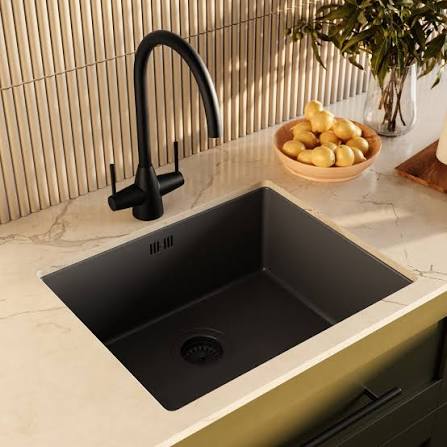
A Stylish and Practical Choice for Modern Kitchens
Under-mount sinks have become a popular choice for homeowners seeking a combination of modern design, everyday convenience, and efficient kitchen organization. Installed beneath the countertop rather than resting on top of it, these sinks create a smooth, seamless appearance that complements contemporary interiors. Their clean lines and practical construction make them suitable for a variety of kitchen styles, from minimalist spaces to elegant traditional designs.
Whether you are renovating your kitchen or planning a completely new layout, choosing the right under-mount sink can improve both functionality and visual appeal. These sinks are available in different materials, sizes, shapes, and configurations, allowing homeowners to find an option that matches their countertop, cabinetry, and daily needs.
Understanding the benefits of under-mount sinks, exploring their available styles, and considering installation requirements can help you make an informed decision. With the right combination of materials and accessories, an under-mount sink can become a valuable feature in a well-organized and attractive kitchen.
What Are Under-Mount Sinks?
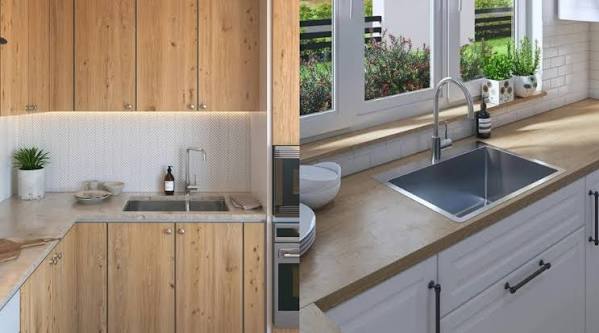
Under-mount sinks are installed beneath the countertop, with the countertop material extending directly to the edge of the sink opening. Unlike traditional drop-in sinks, which have a visible rim resting on the counter, under-mount designs create a cleaner transition between the sink and surrounding surface.
This installation method allows homeowners to wipe crumbs, spills, and water directly into the sink without navigating a raised edge. It also creates a streamlined appearance that works particularly well with solid-surface countertops, granite, quartz, and other suitable materials.
Under-mount sinks are commonly used in modern kitchens because they combine practical cleaning benefits with an understated design. They are available as single-bowl, double-bowl, and larger workstation configurations, making them suitable for different household sizes and cooking habits.
However, under-mount installation requires a compatible countertop and secure support beneath the sink. Selecting the correct materials and working with a qualified installer helps ensure a reliable fit and long-lasting performance.
Benefits of Installing Under-Mount Sinks
Choosing an under-mount sink offers several advantages that can improve the appearance and functionality of your kitchen.
A Seamless and Modern Appearance
One of the main benefits of under-mount sinks is their clean, integrated look. Because the sink sits beneath the countertop, there is no prominent rim interrupting the surrounding surface.
This design pairs beautifully with minimalist cabinetry, contemporary faucets, and elegant countertop materials. It can also make a kitchen feel more refined by reducing visible transitions between different surfaces.
For homeowners who appreciate simple, sophisticated interiors, an under-mount sink provides an attractive alternative to traditional sink designs.
Easier Countertop Cleaning
Under-mount sinks make it easier to clean the area around the sink because there is no raised rim to trap crumbs and debris. Food particles can be wiped directly into the basin, helping keep the countertop organized during meal preparation.
This feature is particularly useful for busy kitchens where cooking, washing vegetables, and cleaning dishes happen throughout the day.
Although the countertop-to-sink joint still requires regular cleaning, a properly installed under-mount sink can simplify routine maintenance and help create a more hygienic workspace.
Flexible Kitchen Design
Under-mount sinks are available in various shapes, sizes, and bowl configurations. Homeowners can choose a compact single-bowl model for a smaller kitchen or a spacious double-bowl sink for households that regularly prepare multiple dishes.
The installation style also allows greater flexibility when coordinating the sink with the countertop and surrounding cabinetry. Pairing the sink with matching storage solutions can improve organization while maintaining a consistent kitchen design.
Practical Everyday Functionality
The absence of a raised rim can make it easier to move dishes, rinse produce, and clean large cookware. Depending on the bowl's dimensions and depth, an under-mount sink may accommodate baking trays, pots, and pans more comfortably than a smaller conventional sink.
Some models include integrated accessories such as cutting boards, drying racks, and colanders. These additions can create a more efficient preparation area without requiring extra countertop space.
Popular Types of Under-Mount Sinks
Understanding the available configurations can help you select a sink that suits your kitchen layout and household requirements.
Single-Bowl Under-Mount Sinks
Single-bowl under-mount sinks feature one spacious basin, making them a practical choice for homeowners who frequently wash large pots, pans, and baking trays.
Their uninterrupted interior provides flexibility for different kitchen tasks, including rinsing vegetables, soaking cookware, and cleaning oversized dishes.
Single-bowl models are particularly suitable for compact kitchens because they can provide generous washing space without requiring the width of a double-bowl sink.
Double-Bowl Under-Mount Sinks
Double-bowl under-mount sinks feature two separate basins, allowing users to perform different tasks simultaneously. For example, one bowl can be used for washing dishes while the other is used for rinsing produce or preparing food.
The bowls may be equal in size or designed with one larger basin and one smaller basin. This variety allows homeowners to select a configuration that matches their daily habits.
Although double-bowl sinks offer greater separation between tasks, they require sufficient countertop and cabinet space. Consider the dimensions of your largest cookware before choosing the bowl arrangement.
Workstation Under-Mount Sinks
Workstation sinks include ledges or specially designed edges that support compatible accessories. These may include sliding cutting boards, colanders, drying racks, and preparation trays.
By allowing accessories to sit over the basin, workstation sinks can create additional working space and reduce countertop clutter. This design is especially useful in smaller kitchens where maximizing every available surface is important.
Before purchasing a workstation sink, check which accessories are included and whether replacement components are available.
Deep-Basin Under-Mount Sinks
Deep-basin sinks offer additional vertical space for washing bulky cookware and handling larger quantities of dishes. They can be especially useful for households that cook frequently or entertain guests.
However, basin depth should be considered alongside countertop height and the user's comfort. An excessively deep sink may require more bending during prolonged washing tasks, so selecting a suitable depth is important.
Choosing the Right Material for Your Sink
The material of an under-mount sink affects its durability, maintenance requirements, and appearance.
Stainless Steel
Stainless steel is a widely used material because it is durable, versatile, and suitable for many kitchen styles. It pairs well with stainless steel appliances, chrome faucets, and contemporary countertops.
Brushed finishes can help make minor scratches and water marks less noticeable than highly polished surfaces. When comparing models, consider the steel quality, thickness, sound-dampening features, and resistance to corrosion.
Granite Composite
Granite composite sinks are generally made from a combination of stone particles and binding materials. They are available in several colors, including black, gray, and neutral shades.
These sinks can complement natural stone countertops and modern cabinetry while providing a substantial, durable surface. Follow the manufacturer's cleaning instructions to protect the finish and prevent discoloration.
Fireclay and Ceramic
Fireclay and ceramic sinks offer a smooth, attractive surface that works well in both classic and contemporary kitchens. Their light-colored finishes can brighten the sink area and create a distinctive visual feature.
Because these materials can be heavy and may be vulnerable to impact damage, the cabinet structure and mounting system must provide adequate support.
When choosing any sink material, consider its weight, compatibility with your countertop, cleaning requirements, and suitability for everyday use.
How to Choose the Right Under-Mount Sink
Selecting the right sink requires careful consideration of your kitchen's dimensions, countertop material, and daily routines.
Measure the Available Space
Before purchasing a sink, measure the cabinet width, countertop opening requirements, and available depth. Check the manufacturer's installation specifications rather than relying only on the sink's external dimensions.
Remember to account for plumbing connections, waste fittings, and any accessories that may occupy space beneath the basin.
Consider Your Countertop Material
Under-mount sinks require a countertop that can support the installation and provide a suitable finished edge. Natural stone, quartz, and certain solid-surface materials are commonly used for this purpose.
Some laminate countertops may not be suitable for standard under-mount installation because the exposed core can be vulnerable to moisture. Specialized installation methods may be available for certain products, but compatibility should always be confirmed with the countertop manufacturer and installer.
Choose the Right Bowl Size
Think about how you use your sink throughout the day. If you regularly wash large cookware, a wide single bowl may be the most practical option. If you prefer to separate washing and rinsing tasks, a double-bowl model may be more suitable.
A well-proportioned sink should provide enough washing space without reducing the countertop area needed for food preparation.
Match the Faucet and Accessories
The faucet should complement the sink's design while providing the reach and height needed for comfortable use. Pull-down faucets can make rinsing and cleaning easier, while coordinated soap dispensers and filtered-water taps can improve convenience.
Make sure the countertop has enough space for all required faucet holes and accessories before installation begins.
Storage Solutions Around Under-Mount Sinks
The area beneath an under-mount sink can be challenging to organize because plumbing pipes and drainage fittings occupy part of the cabinet. However, the right storage solutions can help make this space more functional.
Pull-out organizers can provide convenient access to cleaning products, sponges, and other frequently used items. Adjustable shelves may help accommodate containers of different heights, while waterproof trays can protect the cabinet base from minor spills.
For improved organization, separate household cleaning supplies from food-related items and store potentially hazardous products safely away from children and pets.
It is also important to leave sufficient space around plumbing connections so that maintenance and leak inspections can be carried out without removing the entire storage system.
Installation and Maintenance Tips
Professional installation is particularly important for under-mount sinks because the basin must be securely supported beneath the countertop. The installer should use an appropriate mounting system, compatible sealant, and suitable support for the sink's weight.
After installation, inspect the joint between the countertop and sink periodically for signs of sealant deterioration or moisture. Address leaks promptly to protect the cabinetry and prevent water damage.
Clean the basin with products appropriate for its material. Avoid abrasive cleaners on finishes that can scratch easily, and follow the manufacturer's recommendations for removing mineral deposits and stubborn stains.
Do not place excessive weight on the sink or rely on the plumbing connections to support it. Proper mounting and regular inspections help maintain stability and extend the sink's useful life.
Conclusion
Under-mount sinks combine practical functionality with a clean, modern appearance, making them an excellent choice for many kitchen designs. Their seamless installation, convenient countertop cleaning, and variety of bowl configurations allow homeowners to create a more efficient and attractive workspace.
By considering sink materials, dimensions, countertop compatibility, storage requirements, and installation quality, you can choose a model that suits your household and kitchen layout. Pairing an under-mount sink with well-planned storage cabinets and coordinated accessories can further improve organization while creating a stylish and functional kitchen for years to come.