
A Complete Guide to Stylish and Functional Modern Kitchens
Built-in ovens have become an essential feature of modern kitchen design, combining advanced cooking technology with a sleek and organized appearance. Unlike traditional freestanding appliances, built-in ovens are installed within kitchen cabinets or dedicated wall units, creating a seamless look that maximizes available space. Whether you are renovating a small apartment kitchen or designing a spacious contemporary home, choosing the right built-in oven can improve both the functionality and visual appeal of your cooking area.
With a wide range of sizes, finishes, cooking functions, and installation options available, built-in ovens offer flexibility for different lifestyles and kitchen layouts. From everyday family meals to elaborate dinner parties, these appliances provide convenient cooking solutions while complementing modern interior design.
What Are Built-in Ovens?
Built-in ovens are cooking appliances designed to fit into kitchen cabinetry rather than stand independently on the floor. They are commonly installed beneath countertops, inside tall cabinets, or within dedicated oven housings at a comfortable working height.
One of their main advantages is their ability to integrate with the surrounding kitchen design. Stainless steel, black glass, and contemporary dark finishes can coordinate with cabinet doors, countertops, and other appliances to create a consistent appearance.
Built-in ovens are available in electric and gas models, although electric ovens are particularly common in contemporary kitchen designs. Depending on the model, they may include conventional heating, fan-assisted cooking, grilling, programmable timers, and specialized baking functions.
Some premium models also offer steam-assisted cooking, self-cleaning programs, temperature probes, or smart connectivity. Understanding these features can help homeowners choose an appliance that suits their cooking habits and budget.
Benefits of Installing Built-in Ovens
1. Space-Saving Kitchen Design
Built-in ovens help create a more organized kitchen by integrating the appliance into existing cabinetry. This eliminates the need for a separate freestanding cooker and can make the overall layout appear cleaner.
In smaller kitchens, placing an oven beneath the countertop or within a compact cabinet arrangement can help preserve valuable floor space. A carefully planned installation also makes it easier to coordinate the oven with storage drawers and nearby work surfaces.
2. Improved Cooking Convenience
Installing a built-in oven at an appropriate height can make checking food and removing trays more comfortable. Tall oven cabinets can reduce the need to bend down repeatedly, although the installation height should be selected according to the user's needs and the manufacturer's safety requirements.
Many models include programmable cooking timers, adjustable temperature controls, and multiple heating settings that support a variety of recipes.
3. Modern and Elegant Appearance
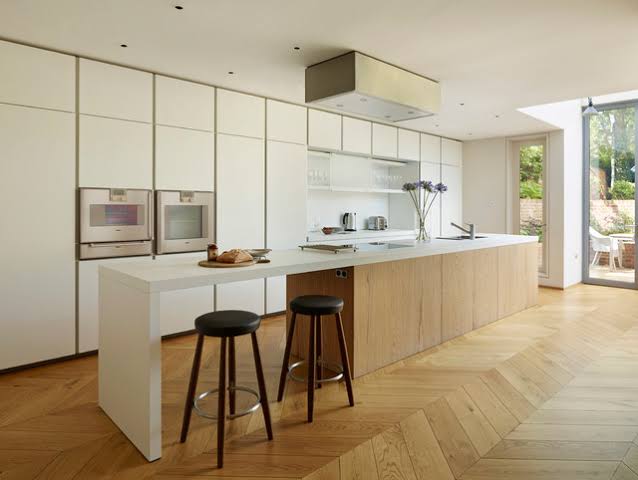
Built-in ovens contribute to the streamlined appearance of contemporary kitchens. Their integrated design works well with minimalist cabinets, handleless doors, natural wood finishes, and stone countertops.
A black glass oven can create a sophisticated contrast against white cabinetry, while a stainless steel finish complements modern appliances and metallic hardware.
4. Flexible Installation Options
Homeowners can choose between several installation arrangements. A single oven can fit beneath a countertop, while a wall-mounted model can be positioned within a tall cabinet. Double ovens provide additional capacity for households that regularly prepare multiple dishes.
The best arrangement depends on available space, cabinet dimensions, electrical or gas connections, ventilation requirements, and the manufacturer's installation instructions.
Popular Types of Built-in Ovens
Single Built-in Ovens
Single built-in ovens are suitable for small households, apartments, and kitchens where space efficiency is important. They generally provide enough capacity for everyday meals, baking, roasting, and grilling.
Their compact installation requirements also make them a practical option for homeowners who want an integrated appearance without dedicating a large section of cabinetry to cooking appliances.
Double Built-in Ovens
Double built-in ovens feature two separate cooking compartments, allowing different dishes to be prepared at different temperatures when the model supports those settings.
They are particularly useful for larger households, frequent entertainers, and people who enjoy preparing several dishes simultaneously. However, they require more cabinet space and may involve higher purchase and installation costs.
Convection Built-in Ovens
Convection ovens use a fan to circulate heated air throughout the cooking compartment. This can help distribute heat more evenly and improve cooking consistency for many recipes.
They are suitable for roasting vegetables, baking pastries, preparing multiple trays of food, and cooking family meals. Actual performance depends on the oven design, selected mode, food placement, and recipe.
Steam Built-in Ovens
Steam ovens use steam to cook food, while combination models may combine steam with conventional heating. Depending on the model and cooking method, they can help retain moisture and provide greater control over certain foods.
These appliances appeal to homeowners who frequently prepare vegetables, fish, bread, and other dishes that benefit from steam-based cooking. Before purchasing, consider the water supply arrangement, cleaning requirements, and available cooking programs.
How to Choose the Right Built-in Oven
Selecting the best built-in oven requires more than comparing appearance and price. Consider the following factors before making your decision.
Oven capacity: Choose a capacity that suits the number of people in your household and the types of meals you prepare. Larger capacities can be helpful for roasting and entertaining, while smaller models may be sufficient for everyday cooking.
Dimensions: Measure the available cabinet opening carefully. Standard oven sizes are common, but dimensions vary by model. Always check the manufacturer's installation specifications before purchasing.
Cooking functions: Look for features that match your habits, such as fan-assisted heating, grilling, baking modes, defrosting, or steam cooking. Extra programs are useful only when they meet your actual needs.
Energy efficiency: Compare energy labels and consumption figures where available. Efficient operation can help reduce electricity use, although results depend on cooking frequency, temperature, and appliance settings.
Cleaning systems: Some ovens feature catalytic liners, steam-cleaning programs, or high-temperature pyrolytic cleaning. Each system has different maintenance requirements, so review the manufacturer's guidance before choosing.
Controls and safety: Consider whether you prefer physical knobs, touch controls, programmable timers, child-lock functions, and cool-door technology. The availability of these features varies between models.
Built-in Ovens and Modern Kitchen Interior Design
Built-in ovens can become an integral part of the kitchen's visual composition when coordinated with cabinetry, countertops, and lighting.
For minimalist interiors, choose a black or stainless steel oven with clean cabinet lines and discreet handles. Keeping nearby surfaces uncluttered helps emphasize the streamlined design.
In warm, natural kitchens, an integrated oven can complement oak cabinets, beige countertops, and textured backsplashes. Metallic finishes can provide a subtle contrast without disrupting the natural palette.
For a luxury kitchen, consider positioning the oven within a tall cabinet alongside a microwave or compact steam oven. This arrangement creates a coordinated appliance wall and may improve workflow when the layout is planned carefully.
Lighting can further enhance the installation. Under-cabinet lighting illuminates preparation surfaces, while carefully selected ceiling fixtures help create a welcoming atmosphere throughout the kitchen.
Installation and Safety Considerations
Proper installation is essential for the performance and safety of built-in ovens. The appliance must fit the designated cabinet opening and meet all specified clearance, ventilation, and heat-resistance requirements.
Before installation, verify the available power supply and circuit requirements. Electric ovens may require a dedicated circuit depending on their power rating and local electrical regulations. Gas models require suitable gas connections and professional installation in accordance with applicable safety rules.
Cabinet materials and surrounding surfaces must be appropriate for the heat generated during operation. Avoid blocking ventilation openings or installing the appliance in a way that conflicts with the manufacturer's instructions.
For electrical connections, gas work, or modifications to kitchen cabinetry, use qualified professionals where required. Correct installation helps protect the appliance, surrounding furniture, and household members.
How to Maintain Built-in Ovens
Regular cleaning and maintenance help preserve the performance and appearance of built-in ovens.
Allow the appliance to cool before cleaning unless the manufacturer's instructions specify otherwise. Remove food residue and grease using suitable cleaning products, and clean removable racks according to the recommended procedure.
Avoid abrasive materials on glass doors, coated interiors, and control panels. If your oven includes an automatic cleaning program, follow the manufacturer's instructions regarding removable accessories, ventilation, and cycle duration.
Inspect the door seal periodically and report damaged components for repair. Keeping the oven interior clean can also reduce smoke and unpleasant odors caused by accumulated food residue.
For long-term reliability, avoid overloading racks and ensure that cookware is suitable for the selected cooking temperature.
Are Built-in Ovens Worth the Investment?
Built-in ovens can be a worthwhile investment for homeowners who value an integrated kitchen design, convenient installation height, and flexible cooking features. They are available across a wide range of price levels, making it possible to find options for different budgets.
However, the total cost includes more than the appliance itself. Cabinet modifications, electrical work, ventilation requirements, and professional installation can affect the final price.
Before purchasing, compare capacity, cooking performance, energy consumption, warranty coverage, and maintenance requirements. Choosing an oven based on your everyday needs rather than unnecessary extra features can help deliver better long-term value.
Conclusion
Built-in ovens combine modern design, practical functionality, and versatile cooking performance, making them a valuable addition to contemporary kitchens. From compact single ovens to spacious double models and advanced steam appliances, there are options for different households, cooking preferences, and interior styles.