
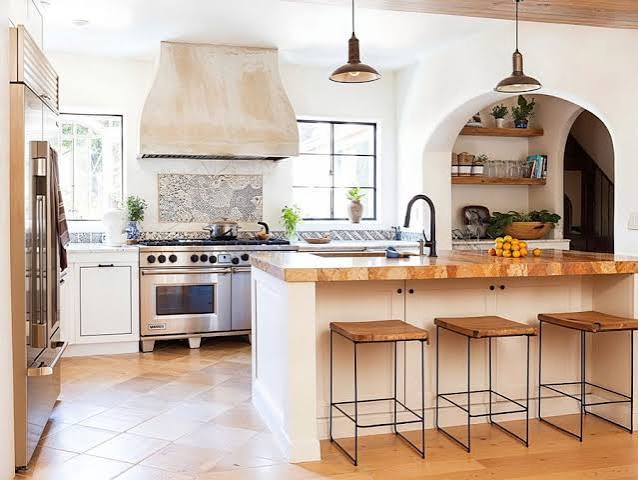
A Modern and Efficient Solution for Stylish Kitchen Designs
Induction cooktops have become a popular choice for homeowners looking to create modern, functional, and elegant kitchens. Combining advanced cooking technology with a sleek appearance, these innovative appliances offer a convenient way to prepare meals while maintaining a clean and organized cooking space. Whether designing a contemporary kitchen or upgrading an existing one, induction cooktops provide an excellent balance of performance, efficiency, and style.
As kitchen design continues to evolve, homeowners increasingly prioritize appliances that simplify everyday cooking and complement their interior aesthetics. Induction technology meets these expectations by offering precise temperature control, fast heating, and a smooth surface that integrates beautifully into modern countertops. Understanding the benefits, features, and design possibilities of induction cooktops can help homeowners make informed decisions when planning their kitchen upgrades.
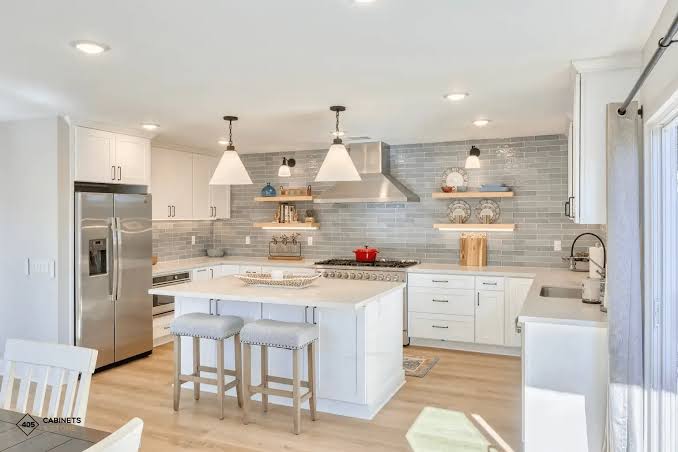
Understanding How Induction Cooktops Work
Induction cooktops use electromagnetic technology to heat compatible cookware directly rather than relying on a traditional flame or heated surface. When a suitable pan is placed on the cooking zone, an electromagnetic field generates heat within the cookware itself. This process allows food to cook efficiently while keeping the surrounding cooking surface relatively cooler than conventional electric alternatives.
Unlike traditional gas cooktops, induction models do not require an open flame. This makes them an attractive option for homeowners seeking a modern cooking experience with additional convenience and improved kitchen safety.
The technology also provides responsive temperature adjustments. When users increase or decrease the heat setting, the cookware responds quickly, allowing greater control over delicate recipes, simmering sauces, and high-temperature cooking.
However, induction cooktops require compatible cookware. Pots and pans generally need a magnetic base, such as suitable stainless steel or cast iron. Checking cookware compatibility before purchasing an appliance can help ensure a smooth transition to induction cooking.
Benefits of Choosing Induction Cooktops
One of the most important advantages of induction cooktops is their ability to heat cookware quickly. This can reduce the time needed to boil water, prepare ingredients, and complete everyday meals. Faster heating is particularly useful for busy households that want to make cooking more convenient.
Energy efficiency is another valuable benefit. Because induction technology transfers heat directly to compatible cookware, less energy is wasted heating the surrounding surface. This can make induction cooking an appealing option for homeowners who want to improve kitchen efficiency.
Precise temperature control also makes these appliances suitable for different cooking techniques. From gently melting chocolate to preparing vegetables and searing ingredients, induction cooktops allow users to adjust heat levels with greater accuracy.
Cleaning is often simpler as well. Most models feature smooth glass or ceramic surfaces that can be wiped with a soft cloth after the appliance has cooled. Since spills are less likely to become baked onto an intensely heated surface, routine maintenance can be easier than with some traditional cooktops.
Creating a Modern Kitchen with Induction Cooktops
Induction cooktops are especially suitable for contemporary kitchen designs because of their minimalist appearance. Their flat surfaces and integrated controls contribute to a clean visual arrangement, allowing countertops to remain uncluttered.
In modern kitchens, designers often emphasize simple lines, balanced proportions, and carefully selected materials. An induction cooktop can complement these principles by creating a seamless transition between the cooking area and the surrounding countertop.
For kitchens with neutral color palettes, black glass cooktops can provide an elegant contrast against white cabinets, warm beige surfaces, or natural wood finishes. In darker kitchens, they can blend with charcoal cabinetry and stone countertops to create a sophisticated atmosphere.
The appliance can also work beautifully in open-plan interiors. Its streamlined appearance helps maintain visual continuity between the kitchen, dining area, and living space.
Choosing the Right Size and Configuration
Selecting the appropriate cooktop size is an important part of kitchen planning. The ideal configuration depends on available countertop space, cooking habits, household size, and the number of dishes usually prepared at the same time.
Compact models with fewer cooking zones can be practical for small apartments, studio kitchens, and households with limited cooking requirements. They provide essential functionality without occupying excessive countertop space.
Larger models with multiple cooking zones are suitable for families and homeowners who frequently prepare several dishes simultaneously. These configurations can support more flexible cooking arrangements and improve the overall workflow.
Before purchasing, homeowners should measure the intended installation area carefully. The dimensions of the countertop opening, surrounding cabinetry, electrical connection, and ventilation requirements should all be considered.
Professional installation may be necessary to ensure that the appliance fits correctly and operates safely. Following the manufacturer's installation instructions is essential for maintaining performance and protecting the surrounding kitchen materials.
Essential Features to Consider
Modern induction cooktops offer various features designed to improve convenience and cooking control. Understanding these functions can help homeowners choose a model that matches their daily needs.
Touch controls provide a clean appearance and allow users to adjust heat settings without traditional knobs. Many models also include digital displays that make it easier to monitor cooking temperatures and power levels.
Power boost functions can provide additional heating performance when preparing meals that require rapid heating. Timer settings help users manage cooking durations, while automatic shutoff features can provide additional convenience.
Safety features are also important. Child locks can help prevent accidental changes to settings, while residual heat indicators alert users when a cooking zone remains warm after use.
Some advanced models include flexible cooking zones that accommodate different pan sizes. This feature can be particularly useful when preparing meals with larger cookware or multiple pots.
When comparing appliances, homeowners should focus on features that genuinely improve their cooking experience rather than selecting a model based only on the number of available functions.
Induction Cooktops and Kitchen Organization
A well-designed kitchen should support an efficient workflow. Positioning the cooktop in an appropriate location can make food preparation more comfortable and organized.
Ideally, the cooking area should have sufficient countertop space nearby for preparing ingredients, placing utensils, and handling cookware. Keeping frequently used kitchen tools within easy reach can reduce unnecessary movement during meal preparation.
Storage solutions also contribute to a more functional cooking environment. Deep drawers beneath or near the cooktop can provide convenient access to pots, pans, and cooking accessories, depending on the appliance's installation requirements.
Homeowners should consider the relationship between the cooktop, sink, refrigerator, and preparation surfaces when planning the kitchen layout. A thoughtful arrangement can improve movement and make everyday cooking more enjoyable.
Maintaining Induction Cooktops for Long-Term Performance
Regular maintenance helps preserve the appearance and functionality of induction cooktops. Cleaning the surface after cooking prevents food residue from accumulating and keeps the appliance looking attractive.
Before cleaning, users should allow the cooking surface to cool according to the manufacturer's instructions. A soft microfiber cloth and a suitable cleaning product are generally recommended for removing fingerprints, grease, and everyday spills.
Avoid abrasive materials that could scratch the glass surface. Heavy cookware should also be handled carefully to reduce the risk of accidental damage.
Using cookware with clean, smooth bottoms can help protect the cooktop. Owners should follow the manufacturer's guidance regarding cookware materials, weight limits, and cleaning procedures.
Periodic inspection of electrical connections and appliance performance can also help identify potential issues. Any installation or repair work should be handled by a qualified professional.
Comparing Induction Cooktops with Other Cooking Options
When choosing a kitchen appliance, homeowners may compare induction cooktops with gas and conventional electric models.
Gas cooktops provide visible flames and are familiar to many experienced cooks. Conventional electric cooktops use heated elements or surfaces to transfer heat to cookware.
Induction cooktops differ because they generate heat directly within compatible pans. This provides responsive temperature adjustments and can improve cooking efficiency.
However, the best option depends on individual requirements. Homeowners should consider their preferred cooking techniques, available electrical supply, cookware collection, installation budget, and maintenance expectations.
Induction models may require an appropriate electrical connection and compatible cookware, so these practical considerations should be evaluated before purchasing.
Designing a Beautiful and Functional Cooking Space
The appearance of an induction cooktop can influence the overall kitchen design. Choosing countertops, cabinets, lighting, and finishes that complement the appliance helps create a balanced interior.
Natural wood introduces warmth, while stone surfaces provide durability and visual character. Neutral cabinets can create a timeless foundation, and carefully selected lighting can make the cooking area more inviting.
Homeowners can also improve the kitchen's appearance by keeping countertops organized and selecting accessories that match the overall design theme.
The goal is to create a cooking environment that combines visual appeal with everyday practicality.
Conclusion
Induction cooktops offer a modern approach to cooking by combining responsive heating, convenient temperature control, and a streamlined appearance. Their smooth surfaces and versatile configurations make them suitable for different kitchen layouts, from compact apartments to spacious family homes.
By considering appliance size, cookware compatibility, installation requirements, safety features, and kitchen organization, homeowners can select a model that supports their cooking habits and design preferences.
With thoughtful planning and proper maintenance, induction cooktops can become a valuable addition to a beautiful, efficient, and comfortable kitchen.